Thursday, November 14, 2024

How to Perform a Septic Tank Inspection and Cleaning Together

How to Perform a Septic Tank Inspection and Cleaning Together

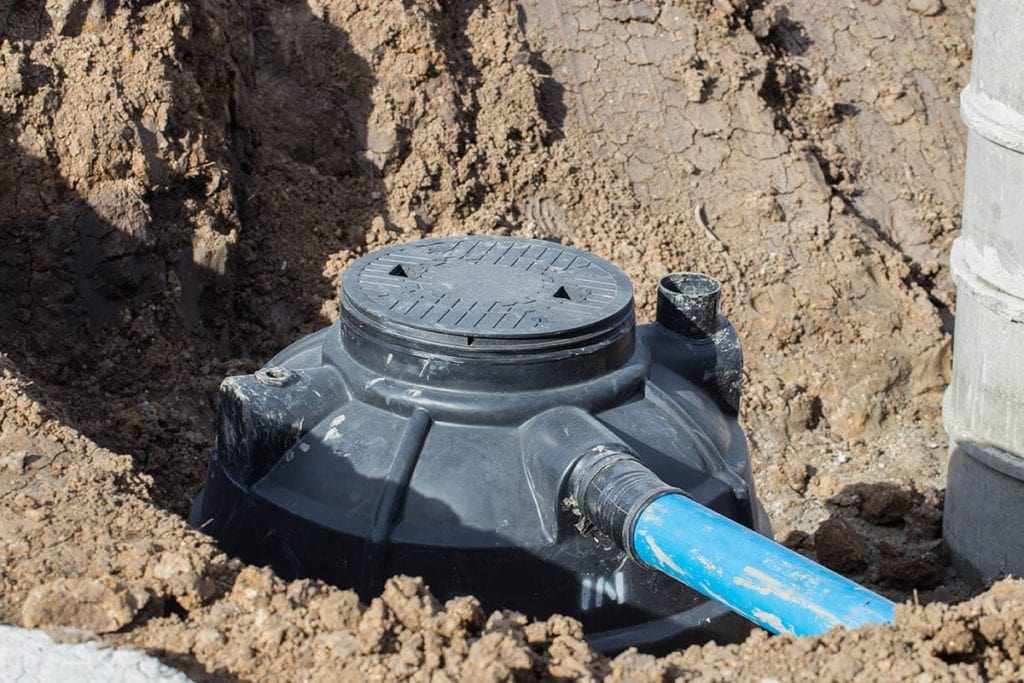
Septic Tank Inspection and Cleaning: A Guide for Homeowners

Okay, let's talk about septic tanks. I know, not the most glamorous topic, but essential for anyone with a septic system. Keeping your septic system in tip-top shape means peace of mind and avoiding costly repairs. So, how do you go about ensuring your septic system is running smoothly? You've guessed it - with a good old-fashioned inspection and cleaning!

Think of it like a car. Your septic system is the engine that keeps your home running smoothly, and just like a car, it needs regular maintenance to ensure optimal performance. A septic tank inspection and cleaning are your tune-up and oil change.

Why You Need a Septic Tank Inspection

Let's get one thing straight: a septic system inspection isn't just about smelling the roses. It's about identifying potential problems before they turn into major headaches (and costly repairs). Here's why a regular inspection is a good idea:

  • Early detection: You catch problems like leaks, blockages, and structural damage before they escalate.
  • Preventive maintenance: You can address minor issues before they snowball into costly repairs.
  • Extend lifespan: Regular maintenance extends the life of your system, saving you money in the long run.
  • Compliance: Many local governments require regular septic tank inspections for permitting purposes.

If you're a new homeowner, or it's been a while since your last inspection, it's a good idea to schedule one right away. Your septic system will thank you.

The Septic Tank Inspection Process

Let's break down the inspection process, step by step. Think of it like a detective story, except instead of a crime scene, we're looking at a tank!

1. Get Ready:

  • Locate your septic tank: You'll need to know where it is. Check your property records, or if you're unsure, a professional can help locate it.
  • Clear the area: Make sure there's enough space around the tank for access.
  • Gather materials: You'll need a flashlight, a measuring tape, a bucket, and gloves (trust me, you'll want them!).

2. Open the lid:

Safety first! Make sure the area is well-ventilated before you open the lid. You want to avoid potential gas buildup. Open the lid slowly and carefully.

3. Inspect the tank:

  • Look for leaks: Check for any cracks, damage, or leaks in the tank walls or lid.
  • Measure the sludge layer: You should have a solid layer of sludge at the bottom of the tank. Measure its depth. If it's getting too thick, it's time for a cleaning!
  • Check the scum layer: This is a layer of grease and oil that floats on the surface of the water. It should be relatively thin. If it's thick, it can prevent the solids from settling properly.
  • Inspect the inlet and outlet pipes: Make sure they are clear of debris and not leaking.

4. Document your findings:

Take notes on everything you see. This will help you track any changes in the tank over time and help you decide if it needs cleaning or further attention.

5. Clean the tank:

Now comes the fun part (okay, maybe not the most fun part, but it's essential). Cleaning your septic tank isn't a DIY project for the faint of heart. You'll want to hire a professional. They have the equipment and expertise to do it safely and effectively.

Cleaning the Septic Tank

Okay, so you've inspected your septic tank, and it's time for a cleaning. Let's talk about how this works:

1. Pumping Out the Solids:

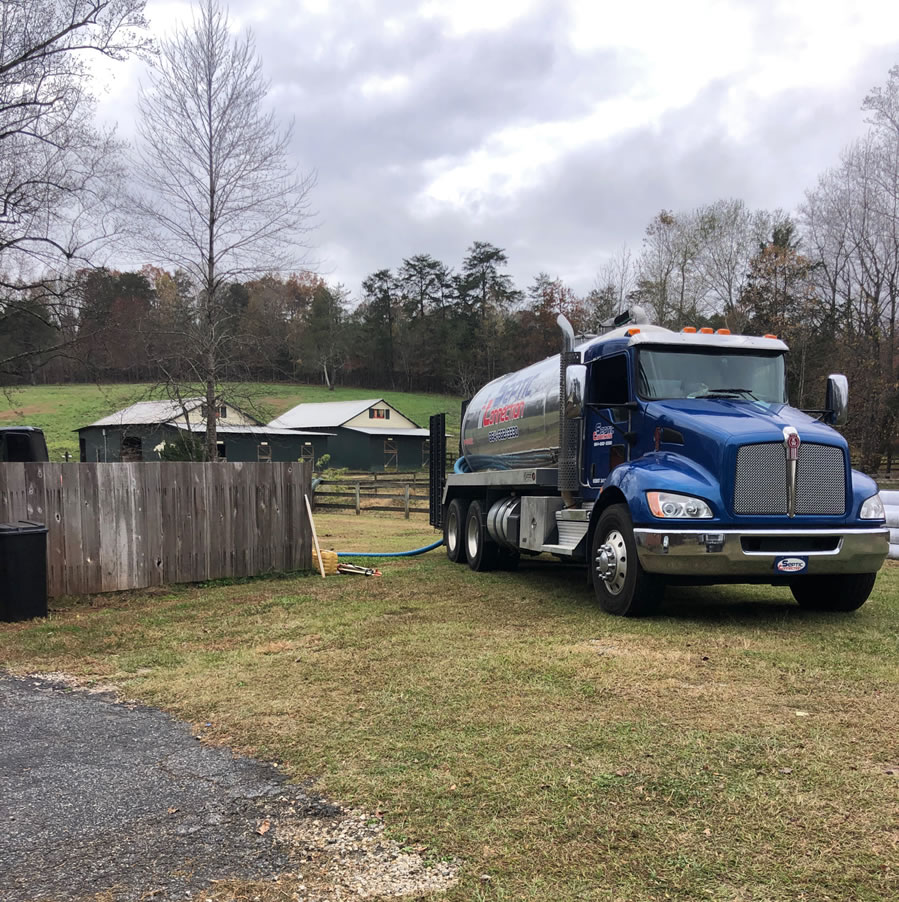
A professional septic tank pumper will use a powerful vacuum truck to remove the sludge and scum from the bottom of the tank. Think of it like a giant Hoover for your septic system.

2. Adding Water and Bacteria:

Once the tank is emptied, the professional will add fresh water to help dilute the remaining solids and re-establish the water level in the tank. They may also add beneficial bacteria to help break down the remaining organic matter.

3. Inspecting the System:

While the tank is empty, the professional will inspect the tank for any damage or leaks. They'll also check the inlet and outlet pipes for blockages.

Tips for Maintaining Your Septic System

Here are some simple tips to keep your septic system running smoothly between inspections and cleanings:

  • Avoid flushing anything other than toilet paper: This includes wipes, paper towels, and feminine hygiene products.
  • Don't pour grease or oil down the drain: It creates a thick layer of scum in the tank that can cause problems.
  • Be mindful of what you flush: Avoid flushing medications, chemicals, and paints.
  • Water your lawn wisely: Don't overuse water for lawn care. Excessive water can overload your septic system.
  • Schedule regular inspections: It's the key to catching issues before they become big problems.

When to Call a Professional

You've done your inspection and noticed some things that seem off. Here are some signs that you should call a professional right away:

  • Gurgling or slow drains: This could indicate a blockage or a problem with the drain field.
  • Sewage backing up: This is a serious problem that requires immediate attention.
  • Strong sewage odors: A foul smell around your property could indicate a leak or a problem with the septic tank.
  • Grass that's unusually lush: If you have a lush patch of grass around your drain field, it could mean that sewage is leaking.

Commonly Asked Questions (FAQs)

1. How often should I have my septic tank inspected and cleaned?

The frequency depends on your household size and usage. Generally, a septic tank inspection should be done every 3-5 years, and a cleaning every 3-5 years depending on the size of the tank and usage.

2. How long does a septic tank cleaning take?

The time it takes to clean a septic tank varies depending on the size and condition of the tank. It can take anywhere from a few hours to a whole day.

3. How much does it cost to have my septic tank inspected and cleaned?

The cost varies depending on your location, the size of the tank, and the complexity of the job. It's a good idea to get quotes from multiple professionals before making a decision.

4. How do I find a reputable septic tank inspector and cleaner?

Ask for recommendations from friends, family, or neighbors. You can also check online reviews and look for professionals who are certified by the National Association of Sewer Service Companies (NASSCO).

That’s it! Taking care of your septic system is important for your home’s health, and it’s a bit easier than you might think. Regular inspections, preventative maintenance, and a little knowledge go a long way in keeping your septic system running smoothly.

How to Solve the Mystery of Persistent Septic Tank Odors

How to Solve the Mystery of Persistent Septic Tank Odors

Unmasking the Mystery of Persistent Septic Tank Odors: A Guide to Odor Elimination

Let's face it, nobody wants their home to smell like a sewage treatment plant. A persistent septic tank odor can be a real nuisance, causing discomfort and embarrassment. But before you start tearing up your landscaping or calling in a professional, there's a good chance you can tackle this smelly problem yourself.

Think of it like detective work! We're going to delve into the common culprits behind septic tank odor, understand the hows and whys, and equip you with the tools to banish that stinky smell for good. Ready to embark on this odor-busting adventure?

The Stinky Suspects: Identifying the Source of the Smell

The first step in solving any mystery is identifying the suspects. In this case, the likely culprits behind a septic tank odor are:

  • Leaky Septic System: This is the most common culprit. Cracks, holes, or loose connections in the septic tank or drain field can allow sewer gases to escape and enter your home.
  • Overflowing Septic Tank: If your septic tank is full, it can cause sewage to back up into your plumbing, resulting in those awful smells.
  • Vent Stack Issues: The vent stack on your roof is supposed to release gases from the septic system, but a clogged vent can trap the gases, forcing them to find another way out - often through your home's drains.
  • Dry Soil: If your drain field isn't properly draining, the bacteria that break down waste can't do their job, resulting in a buildup of gases and odor.
  • Improperly Used System: Using harsh chemicals or overloading the system can disrupt the balance of bacteria in the tank, leading to odors.

Investigating the Crime Scene: Pinpointing the Problem Area

Now that we've got our suspects, let's do some detective work and narrow down the culprit. Here's how you can investigate:

Follow the Trail: Scent Tracking

The first step is to determine where the odor is strongest. Is it coming from a specific drain, the basement, or a particular area of the yard? This can help you pinpoint the likely problem area.

Inspect the Drain Field

If the smell is strong around your yard, take a look at the drain field. Are there any wet patches or signs of standing water? This could be an indication of a drain field issue.

Check the Vent Stack

Take a peek at your roof vent stack. Is it blocked or damaged? If so, this could be the source of your troubles.

Investigate the Septic Tank

If you're comfortable, you can check the septic tank itself for any obvious leaks or signs of overflow. However, be cautious, as this can be hazardous. It's best to leave this step to a professional.

Solving the Case: Eliminating the Odor

Now that you've pinpointed the problem, it's time to take action. Here's a breakdown of solutions for each of the common culprits:

Leaky Septic System: Tightening the Leaks

A leaky septic system is like a gaping hole in your sewer system, allowing foul odors to waft into your home. Here's how to tackle it:

  • Hire a Septic Contractor: This is the most effective solution. A professional can inspect your entire system, identify any leaks, and make the necessary repairs.
  • Temporary Fixes: If you're on a tight budget, you can try some temporary fixes like using a sealant to patch minor cracks or replacing a loose connection. However, these are only temporary solutions and won't address the underlying problem.

Overflowing Septic Tank: Keeping Things Flowing

A full septic tank is like a clogged bathtub â€" it’s going to back up and create a mess. Here’s how to keep things flowing smoothly:

  • Pump It Out: This is the most important step. Contact a septic pumping service to have your tank emptied.
  • Reduce Water Usage: Try to be mindful of water consumption and reduce your reliance on water-intensive appliances like dishwashers and washing machines.
  • Schedule Regular Pumping: Once your tank is pumped, schedule regular pumping sessions to prevent future overflows. The frequency will vary depending on the size of your tank and the number of people living in your home.

Vent Stack Issues: Clearing the Air

A clogged vent stack is like a closed window â€" it traps the gases inside, creating a smelly situation. Here's how to get your vent stack working properly:

  • Check for Obstructions: Carefully climb onto your roof and inspect the vent stack for any blockages like leaves, twigs, or animal nests. Clear out any debris you find.
  • Inspect the Pipe: If the vent stack is damaged or corroded, it may need to be repaired or replaced.

Dry Soil: Keeping the Drain Field Moist

A dry drain field is like a desert â€" the bacteria can't thrive without moisture. Here's how to keep your drain field hydrated:

  • Water the Drain Field: If your soil is consistently dry, consider watering the drain field area regularly. This will help keep the bacteria happy and prevent odor issues.
  • Check for Water Usage: If you live in a dry climate, you may need to be extra mindful of your water usage to ensure that enough water reaches the drain field.
  • Consult a Professional: If you're unsure about the best way to water your drain field, consult a septic contractor.

Improperly Used System: Staying Away from Harsh Chemicals

Your septic system is a delicate ecosystem, and harsh chemicals can disrupt the balance of bacteria that break down waste. This can lead to foul odors and even damage to your system. Here are some tips for using your septic system properly:

  • Avoid Harsh Chemicals: Don't pour bleach, disinfectants, paint thinner, or other harsh chemicals down your drains. They can kill off the beneficial bacteria in your system.
  • Use Septic-Safe Products: There are many septic-safe cleaning products on the market that won't harm your system. Look for products labeled "septic-safe" or "biodegradable."
  • Avoid Overloading: Don't dump large quantities of food waste, grease, or other solids down your drains. These can clog your system and disrupt its balance.

Ongoing Maintenance: Keeping the Smells at Bay

Regular maintenance is crucial to preventing septic tank odor and ensuring the longevity of your system. Here's what you can do:

  • Regular Pumping: Schedule regular septic tank pumping, typically every 3-5 years, depending on the size of your tank and water usage.
  • Monitor the Drain Field: Inspect your drain field regularly for any signs of problems, like standing water, wet patches, or excessive vegetation.
  • Avoid Harsh Chemicals: Always use septic-safe products and avoid dumping harsh chemicals down your drains.

Frequently Asked Questions: Addressing Your Concerns

Let's address some common questions about septic tank odors and maintenance:

Why does my septic tank smell after pumping?

After pumping, your septic tank may have a lingering odor, especially if it wasn't completely full. This is because some waste remains in the tank. The odor should dissipate within a few days as the remaining waste breaks down.

What can I do to neutralize the odor if it's coming from my drains?

Pouring a cup of baking soda down the drain followed by a cup of vinegar can neutralize the odor and help deodorize your pipes. You can also try using a septic-safe odor eliminator product.

How often should I add bacteria to my septic system?

Adding bacteria to your septic system is a good idea, especially after a tank pumping or if you've used harsh chemicals. However, don't add too much bacteria. Consult a septic contractor or read the product instructions for dosage recommendations.

Can I use a septic system treatment to eliminate odors?

Septic system treatments can help control odor and improve the breakdown of waste. Look for septic-safe products that contain beneficial bacteria and enzymes. However, they're not a substitute for regular maintenance.

Can I flush toilet paper and paper towels down my septic system?

It's best to avoid flushing anything other than toilet paper down your septic system. Paper towels, wipes, and other non-biodegradable materials can clog your system and cause odor problems.

There you have it! By understanding the common culprits behind septic tank odor and following these tips, you can banish the smelly mystery and enjoy a fresh-smelling home. Remember, if you're unsure about any aspect of your septic system, don't hesitate to consult a professional septic contractor.

Wednesday, November 13, 2024

Is a Septic Tank Smell in Your Home a Sign of a Bigger Problem?

Is a Septic Tank Smell in Your Home a Sign of a Bigger Problem?

Is a Septic Tank Smell in Your Home a Sign of a Bigger Problem?

Okay, so you're smelling something funky in your house. It's that distinct, unmistakable scent of… well, let's just say it's not exactly a rose garden. You might be thinking, "Oh no, is it my septic tank?" You're not alone. A septic tank smell wafting through your home can be super unsettling, and it definitely raises some red flags. But before you panic and start digging up your yard, let's break down what this smell could mean and how to tackle it.

Why is My House Smelling Like a Septic Tank?

First things first, it's important to understand that a little bit of septic tank odor isn't always a major cause for concern. Your septic system is a complex beast, and sometimes a bit of that "aroma" can escape, especially if you have an older system. It's all about how strong the smell is and how long it lingers.

The Usual Suspects

Here are a few common culprits that can lead to those unwelcome smells: * **Full Tank:** Your septic tank is designed to hold a certain amount of wastewater. When it gets too full, it can back up, leading to that dreaded smell. * **Clogged Drainfield:** The drainfield is like the "kidneys" of your septic system. If it becomes clogged with solids, it can't properly filter the wastewater, resulting in a backup and that funky odor. * **Cracked or Leaking Pipes:** Cracks or leaks in your septic system can allow wastewater to seep out and contaminate your yard, leading to a lingering smell. * **Broken Vents:** Your septic tank has vents to allow gases to escape safely. If a vent becomes blocked or broken, those gases can find their way into your home. * **Improper Maintenance:** Just like any other system, your septic tank needs regular maintenance to function properly. If you haven't been keeping up with pumping and inspections, it could be time to schedule those tasks.

When to Call the Professionals

So, when does a septic tank smell become a real problem? Here are a few warning signs that you need to call in a professional: * **Strong, Persistent Smell:** A smell that's strong and doesn't go away, especially if it's accompanied by other problems (like slow drains or gurgling sounds), could indicate a more serious issue. * **Smell in Unexpected Places:** If you're smelling it in areas of your home that are far from your septic tank, like your bathroom or kitchen, it's a big red flag. * **Pooling Water Around Your Septic Tank:** Water pooling near your septic tank can mean a leak and potential contamination of your yard. * **Slow Drains:** If your drains are slow to drain, it can be a sign of a clog or blockage in your septic system. * **Gurgling Sounds:** If you hear gurgling sounds from your pipes, it could mean that your septic system is backed up.

Preventing Septic Tank Odors

Prevention is key when it comes to your septic system. Here are some tips to help you keep those smelly surprises at bay: * **Regular Pumping:** Get your septic tank pumped out every 3-5 years, or more often if you have a large family or use a lot of water. * **Avoid Flushing the Wrong Things:** Keep those "flushable" wipes, paper towels, and coffee grounds out of your septic system. They don't break down properly and can clog your pipes. * **Limit Harsh Chemicals:** Chemicals like bleach and drain cleaners can harm the bacteria in your septic system. * **Inspect Your System:** Get your septic system inspected by a professional every few years to ensure it's in good working order. * **Avoid Landscaping Over Your Drainfield:** Don't plant trees or large shrubs over your drainfield. Their roots can grow into the pipes and cause damage. * **Don't Park Heavy Vehicles Over Your Drainfield:** Heavy vehicles can compress the soil over your drainfield, making it difficult for wastewater to filter properly.

Dealing With the Smell

Okay, so you've got a whiff of something not-so-pleasant in your house. Here are some things you can do to try and combat the smell: * **Open Windows:** Get fresh air circulating through your home. * **Use an Air Freshener:** A good air freshener can help mask the smell, but it's not a long-term solution. * **Baking Soda and Vinegar:** Mix baking soda and vinegar together to create a natural odor neutralizer. * **Activated Charcoal:** Place bowls of activated charcoal around your house to absorb odors. * **Keep Your Drains Clean:** Run hot water down your drains regularly to help prevent clogs.

The Bottom Line

A septic tank smell in your home shouldn't be ignored. It could be a sign of a bigger problem. While some minor smells might not require immediate action, it's always best to err on the side of caution. If you notice any of those warning signs mentioned earlier, don't hesitate to call in a professional. They'll be able to diagnose the problem and recommend the best course of action. Remember, a well-maintained septic system is a happy septic system, and a happy septic system means a smell-free home.

DIY Ways to Eliminate Septic Tank Odor Outside

DIY Ways to Eliminate Septic Tank Odor Outside

DIY Ways to Eliminate Septic Tank Odor Outside

A septic tank odor outside your home can be a real bummer, right? It can be embarrassing, it can be unpleasant, and it can definitely be a sign of a problem with your system. But before you panic and call a plumber, there are a few DIY solutions you can try to get rid of that pesky smell.

Why Does My Septic Tank Smell?

First things first, let's talk about why your septic tank is stinking up your yard. The most common culprit is hydrogen sulfide, that infamous "rotten egg" smell. This gas is produced when bacteria break down organic matter in your septic tank. Think of it like a little ecosystem down there, working hard but sometimes emitting some funky smells. Other causes include:

  • A full tank: If your tank is overflowing, the solids and liquids aren't separating properly, leading to a backup and odor.
  • A failing leach field: Your leach field is like a giant filter that helps wastewater seep back into the ground. If it's not working correctly, the wastewater can back up and create that awful smell.
  • Poor ventilation: Your septic tank needs to breathe. If the vents are blocked or not working properly, it can create a pressure buildup and force those odors out.
  • Improper landscaping: Planting trees or shrubs too close to your septic tank can damage the system and contribute to odor problems.
  • Broken pipes or leaks: If there are leaks in your septic system, wastewater can escape and cause a stench.

Once you know why your septic tank is smelling, you can tackle the problem!

DIY Solutions to Conquer That Septic Tank Smell

Here are some DIY fixes to help you get rid of that septic tank odor and reclaim your outdoor space.

1. Add Septic Tank Treatment Products

Think of these products as the good bacteria army for your septic tank. They're formulated with helpful microbes that break down waste, reduce odors, and keep your system running smoothly.

  • Liquid additives: These are poured directly into your septic tank and are often a good choice for regular maintenance.
  • Powdered additives: These are sprinkled into the tank and tend to work a bit faster, but you'll need to be careful not to overload the system.

Remember, it's essential to choose products specifically designed for septic tanks. Don't use drain cleaners or other harsh chemicals that can harm the beneficial bacteria in your system.

2. Freshen Up Your Leach Field

Your leach field is like a big filter, and sometimes it needs a little TLC to stay in tip-top shape.

  • Don't park on it: Heavy vehicles can compact the soil and hinder the leach field's drainage capabilities. Keep vehicles away from the area.
  • Aerate the soil: Use a garden fork or aerator to loosen the soil around your leach field. This helps promote airflow and encourages proper drainage.
  • Avoid overwatering: While your leach field needs moisture, too much water can overwhelm the system. Limit watering around the area.

3. Check Your Vents

Your septic tank needs to breathe! Make sure your vents are clear of debris and are functioning correctly.

  • Locate the vent: Typically, the vent pipe is a vertical pipe that extends above your roofline. If you're not sure, you can often locate it near your septic tank.
  • Inspect the pipe: Look for any blockages or cracks. You can use a long, flexible tool to try to remove debris from the pipe.
  • Replace if necessary: If the vent pipe is damaged or severely clogged, it might need to be replaced by a plumber.

4. Clear Up Landscaping Issues

Your septic system needs some breathing room.

  • Trim back trees and shrubs: Keep trees and shrubs at least 5 feet away from your septic tank and leach field.
  • Avoid planting near the leach field: Choose plants that don't need a lot of water and are not invasive.

5. Use Natural Deodorizers

Sometimes, a bit of nature's help goes a long way in combating those unwanted odors.

  • Vinegar: Pour a gallon of vinegar down your toilet. The vinegar helps neutralize unpleasant odors.
  • Baking soda: Sprinkle a cup of baking soda into your toilet bowl, let it sit for a few minutes, and then flush. Baking soda is a natural odor absorber.
  • Coffee grounds: Spread a layer of coffee grounds around your septic tank. The coffee grounds help neutralize odors and add beneficial nutrients to the soil.

When to Call a Professional

While DIY solutions can often be effective, there are times when it's best to call a professional plumber.

  • Persistent odor: If the odor persists after trying DIY methods, it could indicate a more serious problem.
  • Gurgling noises: Gurgling noises from your drains or toilets could mean your septic tank is overloaded.
  • Water backing up: If water backs up into your bathtub, shower, or sink, it's definitely a sign of a problem.
  • Sewage leaking: If you see sewage leaking from your septic tank or leach field, call a plumber immediately.

Remember, a properly functioning septic system is essential for your home's health and safety. If you suspect a serious issue, it's better to be safe than sorry and call a professional.

Are Septic Tank Smells in Your House a Serious Health Concern?

Are Septic Tank Smells in Your House a Serious Health Concern?

Septic Tank Smells in Your House: A Serious Health Concern?

You’re at home, relaxing, when you suddenly catch a whiff of something… off. It’s that unmistakable, pungent aroma that we all associate with, well, sewage. You know, the smell of a septic tank. But it’s not coming from the bathroom, it’s wafting through the entire house! You might be thinking, “Oh, it’s just a little smell, no big deal.” But is it really just a minor inconvenience, or could those septic tank smells be a serious health concern?

The answer, unfortunately, is a bit complicated. In most cases, a mild, occasional whiff of septic tank odor isn’t a cause for immediate panic. However, a persistent, strong odor that doesn’t go away, or a smell that’s accompanied by other symptoms, could be a sign of a bigger problem.

Septic Tank Smells: What’s the Cause?

Before we dive into the health risks, let’s understand why those nasty smells are appearing in your home in the first place. Septic tanks are designed to break down wastewater, but sometimes, things go wrong. Here are some common culprits:

  • Full Tank: Imagine a septic tank like a big garbage can for wastewater. If it gets too full, the solids can’t break down properly, and you get overflow and those unpleasant odors.
  • Clogged Drain Field: The drain field is like the septic tank’s “filtration system”. If it gets clogged with debris, wastewater can back up, causing smells to travel through your home’s plumbing system.
  • Leaky Pipes: Cracks or leaks in your plumbing system can let those sewage-laden smells escape into your house.
  • Poor Ventilation: Your septic system should have proper vents to release gases. If these vents are blocked, the smells can build up and find their way into your home.
  • Improper Maintenance: Regular septic tank pumping and system inspections are essential. Neglecting maintenance can lead to all sorts of problems, including unpleasant odors.

Health Risks Associated with Septic Tank Smells

Now, let’s get into the more serious stuff. While a brief whiff of septic tank smell probably won’t cause you immediate harm, prolonged exposure to these odors, especially if they’re strong and persistent, can pose health risks.

Respiratory Issues

Septic tank smells often contain volatile organic compounds (VOCs) like methane and hydrogen sulfide. These gases can irritate your lungs and respiratory system, potentially leading to:

  • Shortness of breath
  • Coughing
  • Wheezing
  • Asthma exacerbations
  • Increased risk of respiratory infections

Headaches and Nausea

The VOCs in septic tank smells can also affect your central nervous system, causing headaches, nausea, and even dizziness. This is particularly true if you have sensitivity to strong odors.

Other Health Concerns

While less common, in extreme cases, prolonged exposure to high concentrations of septic tank gases can lead to more serious health issues like:

  • Loss of consciousness
  • Neurological problems
  • Damage to the liver and kidneys

It’s important to remember that the severity of these health risks depends on several factors, including the concentration of gases, the duration of exposure, and your individual sensitivity.

What to Do If You’re Dealing with Septic Tank Smells

So, you’ve noticed that septic smell in your house, and now you’re worried. What’s the next step? Here’s a breakdown:

Step 1: Identify the Source

The first thing to do is try to pinpoint the source of the smell.

  • Is the smell strongest in your bathroom?
  • Do you notice it near drains or pipes?
  • Does it seem to get worse after using certain appliances, like the washing machine or dishwasher?

This will help you narrow down the potential problem area.

Step 2: Check for Obvious Issues

Once you have a general idea of where the smell is coming from, check for any visible problems.

  • Look for signs of leaks in your plumbing system.
  • Inspect the vents to make sure they are clear and unobstructed.
  • If you have a sump pump, ensure it is working properly.

Addressing these simple issues might solve the problem entirely.

Step 3: Call a Professional

If you can’t pinpoint the source of the smell or you suspect a problem with your septic system, it’s time to call a professional. A qualified septic tank technician can:

  • Inspect your system for any underlying issues.
  • Perform necessary repairs or maintenance.
  • Offer advice on how to prevent future problems.

Don’t try to tackle major septic issues on your own â€" it’s important to have it handled by an expert.

Preventing Septic Tank Smells

The best way to deal with septic tank smells is to prevent them from occurring in the first place! Here are some tips:

  • Regular Maintenance: Have your septic tank pumped every 3-5 years, or more often if you have a large family or use a lot of water.
  • Proper Waste Disposal: Avoid flushing anything down the toilet that isn’t biodegradable, like wipes, paper towels, or medications.
  • Minimize Grease and Oil: Dispose of grease and oil properly. Don’t pour them down the drain as they can clog your septic system.
  • Inspect Your System: Have your system inspected every year to catch potential problems early.
  • Water Use: Avoid overloading your septic system with large amounts of water at once.

Septic Tank Smells: Don’t Ignore Them

It’s easy to dismiss a septic tank smell as a minor inconvenience, but it's important to remember that these odors can be more than just unpleasant â€" they can be a sign of a serious health risk. If you’re dealing with a persistent or strong septic tank smell, don’t hesitate to take action. Investigate the source, check for obvious problems, and call in a professional if needed. Taking care of your septic system now can prevent bigger problems and health issues down the road.

How to Eliminate Septic Tank Odors with These Top Smell Removers

How to Eliminate Septic Tank Odors with These Top Smell Removers

Eliminating Septic Tank Odors: A Comprehensive Guide to Top Smell Removers

The presence of unpleasant odors emanating from your septic tank can be a significant source of discomfort and embarrassment. These odors are often associated with the breakdown of waste in the tank, releasing various gases that can permeate your home and yard. While a properly functioning septic system should minimize such issues, occasional occurrences are common and can be addressed effectively with the right approach.

This comprehensive guide will delve into the top smell removers available, providing you with the knowledge and tools to eliminate septic tank odors and restore a pleasant environment. We will explore the causes of these odors, the science behind effective solutions, and provide practical tips for application and maintenance.

Understanding Septic Tank Odors and Their Causes

Septic tank odors primarily arise from the anaerobic decomposition of organic waste within the tank. This process, which occurs in the absence of oxygen, produces various gases, including:

  • Hydrogen sulfide (H2S): This gas is responsible for the characteristic "rotten egg" smell often associated with septic tanks.
  • Methane (CH4): A colorless, odorless gas, methane can contribute to a general musty or earthy odor.
  • Ammonia (NH3): This pungent, colorless gas has a strong, sharp odor and can indicate a buildup of waste in the tank.

These gases can escape from the tank through various pathways, such as:

  • Vent pipes: Properly installed vent pipes are designed to allow gases to escape safely into the atmosphere, minimizing the risk of odors within the home.
  • Leaky pipes: Cracks or breaks in the septic tank or connecting pipes can allow gases to seep out, contributing to the smell.
  • Poor drainage: Insufficient drainage around the tank can lead to water pooling and stagnation, creating an ideal environment for odor-producing bacteria.
  • Overloading the tank: Exceeding the capacity of the septic tank can cause waste to back up and release foul odors.

Top Septic Tank Odor Removers

With an understanding of the causes, let's explore the most effective solutions for eliminating septic tank odors:

1. Septic Tank Additives

Septic tank additives are specifically designed to break down waste more efficiently, reducing the production of odor-causing gases. These products often contain:

  • Enzymes: Enzymes act as biological catalysts, speeding up the breakdown of organic waste, reducing the buildup of harmful gases.
  • Bacteria: Beneficial bacteria help to decompose waste, consuming odor-producing substances.
  • Odor neutralizers: These ingredients work by masking or absorbing offensive smells, providing immediate relief.

When selecting a septic tank additive, look for products that are:

  • EPA-registered: Ensure the product is safe for your septic system and the environment.
  • Specifically designed for septic tanks: Avoid using drain cleaners or other harsh chemicals, as these can harm the beneficial bacteria in your tank.
  • Non-corrosive: Choose a product that will not damage the pipes or other components of your septic system.

2. Activated Carbon

Activated carbon, a highly porous material, is known for its exceptional odor-absorbing properties. It traps and neutralizes odor molecules, effectively eliminating unpleasant smells. Activated carbon can be used in various forms, including:

  • Granular carbon: This form is often used in filters and can be added to your septic tank to absorb odors.
  • Carbon filters: These filters are available in various sizes and can be installed in your home's ventilation system to trap odors before they spread.

Activated carbon is an environmentally friendly option, as it can be reused or disposed of properly. However, it's important to note that activated carbon only traps odors and does not address the underlying cause of the problem.

3. Baking Soda and Vinegar

This simple and readily available combination can be surprisingly effective at tackling septic tank odors. Baking soda, a natural deodorizer, neutralizes acidic smells, while vinegar, with its acidic properties, helps to break down organic waste.

To use this solution, pour a mixture of equal parts baking soda and vinegar down the toilet or drain. Allow the solution to sit for a few hours, then flush with plenty of water. This method is particularly helpful for eliminating odors that may be coming from your plumbing fixtures.

4. Natural Remedies

For those seeking more natural solutions, various plant-based remedies can be incorporated into your odor-control strategy:

  • Citrus peels: Orange, lemon, or grapefruit peels can be added to your septic tank to release natural oils with deodorizing properties.
  • Coffee grounds: Coffee grounds act as a natural absorbent and can help to control odors. Simply pour a cup of coffee grounds down the toilet or drain.
  • Activated charcoal: Activated charcoal, a natural form of carbon, can be used in a similar manner to activated carbon to absorb odors.

These natural remedies can be particularly effective for mild odors, but they may not be sufficient for more severe cases.

Preventing Septic Tank Odors

While odor removers can provide temporary relief, preventing odors in the first place is essential for long-term comfort and peace of mind. Here are some key preventative measures:

  • Regular maintenance: Schedule regular inspections and pumping of your septic tank to ensure proper functionality and minimize waste buildup.
  • Proper use of water: Avoid overloading the tank with large amounts of water at once. Space out laundry loads, showers, and other water-intensive activities.
  • Avoid harmful substances: Limit the use of harsh chemicals, such as bleach, paint thinners, and disinfectants, as these can harm the beneficial bacteria in your tank.
  • Monitor drainage: Ensure proper drainage around your septic tank to prevent water pooling and odor-producing bacteria growth.

When to Seek Professional Help

If you've tried various odor removers and preventative measures without success, it's essential to seek professional help. A licensed septic system contractor can diagnose the underlying cause of the problem, such as:

  • Leaky pipes: Cracks or breaks in your septic tank or connecting pipes can require repairs or replacements.
  • Clogged pipes: A blockage in the drain field or other parts of the system can lead to odors and require professional clearing.
  • Septic tank failure: In severe cases, your septic tank may need to be repaired or replaced entirely.

By addressing these issues promptly, you can ensure the longevity and efficiency of your septic system, eliminating odors and maintaining a pleasant environment for you and your family.

DIY Septic Tank Treatment: How to Keep Your System Running Smoothly

DIY Septic Tank Treatment: How to Keep Your System Running Smoothly

DIY Septic Tank Treatment: How to Keep Your System Running Smoothly

Owning a septic system means you’re responsible for its maintenance. While professional services can handle the heavy lifting, there are many things you can do yourself to keep your system running smoothly. This guide provides practical tips and tricks for DIY septic tank treatment, helping you extend the life of your system and prevent costly repairs.

Understanding Your Septic System

Before diving into DIY treatments, let’s understand how a septic system works. Wastewater from your home flows into the septic tank, where solids settle to the bottom, forming sludge. Liquids, known as effluent, move to the drain field, where they’re slowly filtered back into the soil.

DIY Septic Tank Maintenance: Simple but Effective

Proper maintenance is key to a healthy septic system. Here are a few things you can do regularly to ensure your system stays in tip-top shape:

1. Avoid Flushing Troublesome Items

The biggest enemy of your septic tank is anything that doesn’t break down easily. Avoid flushing these items:

  • Disposable wipes
  • Feminine hygiene products
  • Paper towels
  • Cigarette butts
  • Grease and oil
  • Hair and food scraps

These items can clog your pipes, leading to backups and costly repairs.

2. Limit Water Usage

Overloading your system with excessive water can strain its capacity. Here are some tips for conserving water:

  • Take shorter showers
  • Fix leaky faucets
  • Use low-flow showerheads and toilets
  • Water your lawn efficiently

3. Use Septic Tank Additives

Septic tank additives, available at most hardware stores, can help break down waste more effectively. These products contain enzymes and bacteria that speed up the decomposition process, reducing sludge buildup and improving system performance.

Follow the manufacturer's instructions carefully when using additives. Overuse can cause problems and may even damage the system.

DIY Septic Tank Inspection: Keeping an Eye on the System

While you can't see inside your septic tank, there are signs that can indicate a problem. Pay attention to these warning signs:

  • Slow-draining drains
  • Gurgling sounds from the drains
  • Foul odors near the drain field
  • Pooling water around the drain field
  • Grass growing excessively over the drain field

If you notice any of these symptoms, contact a professional for a septic tank inspection. They can assess the situation and recommend appropriate solutions.

Important Considerations for DIY Septic Tank Treatment

While many maintenance tasks can be done DIY, some require professional expertise:

  • Pumping the septic tank: This is a crucial step for removing accumulated sludge and scum, ensuring optimal system performance.
  • Inspecting the drain field: A clogged or damaged drain field can lead to serious issues.
  • Repairing leaks and cracks: These problems can compromise the system’s integrity and lead to environmental contamination.

For these complex tasks, it’s essential to call in a qualified septic system professional.

By following these DIY septic tank treatment tips and partnering with professionals when needed, you can keep your septic system in top shape, ensuring a long and trouble-free life for your home.