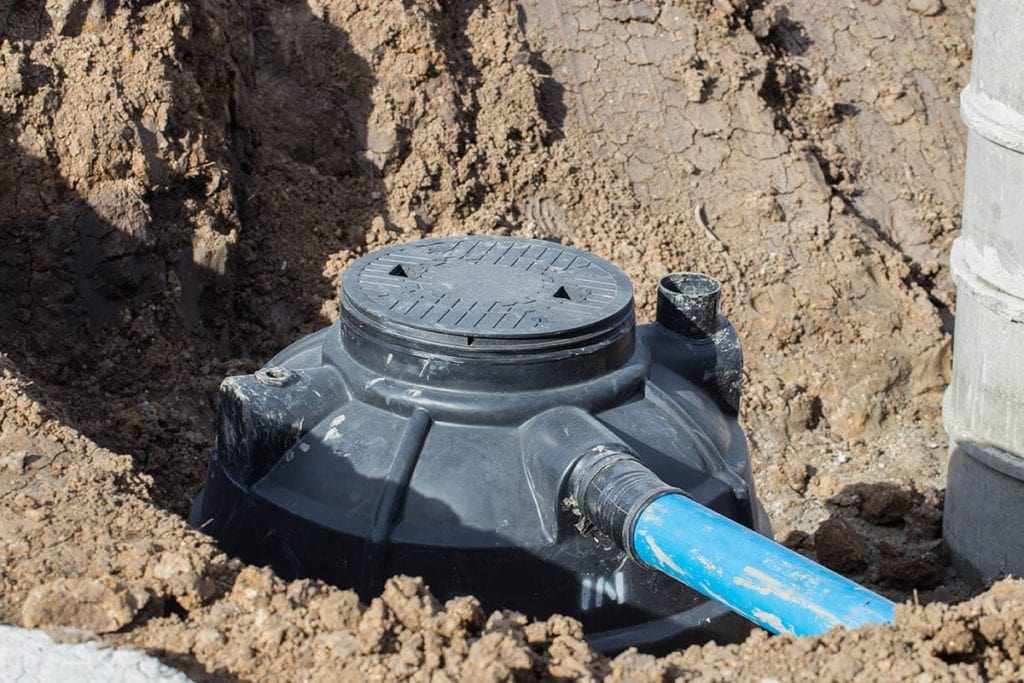
DIY Ways to Eliminate Septic Tank Odor Outside
A septic tank odor outside your home can be a real bummer, right? It can be embarrassing, it can be unpleasant, and it can definitely be a sign of a problem with your system. But before you panic and call a plumber, there are a few DIY solutions you can try to get rid of that pesky smell.
Why Does My Septic Tank Smell?
First things first, let's talk about why your septic tank is stinking up your yard. The most common culprit is hydrogen sulfide, that infamous "rotten egg" smell. This gas is produced when bacteria break down organic matter in your septic tank. Think of it like a little ecosystem down there, working hard but sometimes emitting some funky smells. Other causes include:
- A full tank: If your tank is overflowing, the solids and liquids aren't separating properly, leading to a backup and odor.
- A failing leach field: Your leach field is like a giant filter that helps wastewater seep back into the ground. If it's not working correctly, the wastewater can back up and create that awful smell.
- Poor ventilation: Your septic tank needs to breathe. If the vents are blocked or not working properly, it can create a pressure buildup and force those odors out.
- Improper landscaping: Planting trees or shrubs too close to your septic tank can damage the system and contribute to odor problems.
- Broken pipes or leaks: If there are leaks in your septic system, wastewater can escape and cause a stench.
Once you know why your septic tank is smelling, you can tackle the problem!
DIY Solutions to Conquer That Septic Tank Smell
Here are some DIY fixes to help you get rid of that septic tank odor and reclaim your outdoor space.
1. Add Septic Tank Treatment Products
Think of these products as the good bacteria army for your septic tank. They're formulated with helpful microbes that break down waste, reduce odors, and keep your system running smoothly.
- Liquid additives: These are poured directly into your septic tank and are often a good choice for regular maintenance.
- Powdered additives: These are sprinkled into the tank and tend to work a bit faster, but you'll need to be careful not to overload the system.
Remember, it's essential to choose products specifically designed for septic tanks. Don't use drain cleaners or other harsh chemicals that can harm the beneficial bacteria in your system.
2. Freshen Up Your Leach Field
Your leach field is like a big filter, and sometimes it needs a little TLC to stay in tip-top shape.
- Don't park on it: Heavy vehicles can compact the soil and hinder the leach field's drainage capabilities. Keep vehicles away from the area.
- Aerate the soil: Use a garden fork or aerator to loosen the soil around your leach field. This helps promote airflow and encourages proper drainage.
- Avoid overwatering: While your leach field needs moisture, too much water can overwhelm the system. Limit watering around the area.
3. Check Your Vents
Your septic tank needs to breathe! Make sure your vents are clear of debris and are functioning correctly.
- Locate the vent: Typically, the vent pipe is a vertical pipe that extends above your roofline. If you're not sure, you can often locate it near your septic tank.
- Inspect the pipe: Look for any blockages or cracks. You can use a long, flexible tool to try to remove debris from the pipe.
- Replace if necessary: If the vent pipe is damaged or severely clogged, it might need to be replaced by a plumber.
4. Clear Up Landscaping Issues
Your septic system needs some breathing room.
- Trim back trees and shrubs: Keep trees and shrubs at least 5 feet away from your septic tank and leach field.
- Avoid planting near the leach field: Choose plants that don't need a lot of water and are not invasive.
5. Use Natural Deodorizers
Sometimes, a bit of nature's help goes a long way in combating those unwanted odors.
- Vinegar: Pour a gallon of vinegar down your toilet. The vinegar helps neutralize unpleasant odors.
- Baking soda: Sprinkle a cup of baking soda into your toilet bowl, let it sit for a few minutes, and then flush. Baking soda is a natural odor absorber.
- Coffee grounds: Spread a layer of coffee grounds around your septic tank. The coffee grounds help neutralize odors and add beneficial nutrients to the soil.
When to Call a Professional
While DIY solutions can often be effective, there are times when it's best to call a professional plumber.
- Persistent odor: If the odor persists after trying DIY methods, it could indicate a more serious problem.
- Gurgling noises: Gurgling noises from your drains or toilets could mean your septic tank is overloaded.
- Water backing up: If water backs up into your bathtub, shower, or sink, it's definitely a sign of a problem.
- Sewage leaking: If you see sewage leaking from your septic tank or leach field, call a plumber immediately.
Remember, a properly functioning septic system is essential for your home's health and safety. If you suspect a serious issue, it's better to be safe than sorry and call a professional.
0 comments:
Post a Comment
Note: Only a member of this blog may post a comment.