Easy Fixes for Septic Tank Smell After Rain
That telltale sewage odor wafting after a rainfall? It’s a common problem for homeowners with septic systems, and while it can be alarming, it's often easily addressed. Rainwater, instead of soaking into the ground, can sometimes overload your septic system, causing wastewater to back up and release unpleasant gases. Don't panic! This article provides simple, effective solutions to banish that post-rain stink and keep your septic system running smoothly.
Understanding the Problem: Why Rain Exacerbates Septic Odors
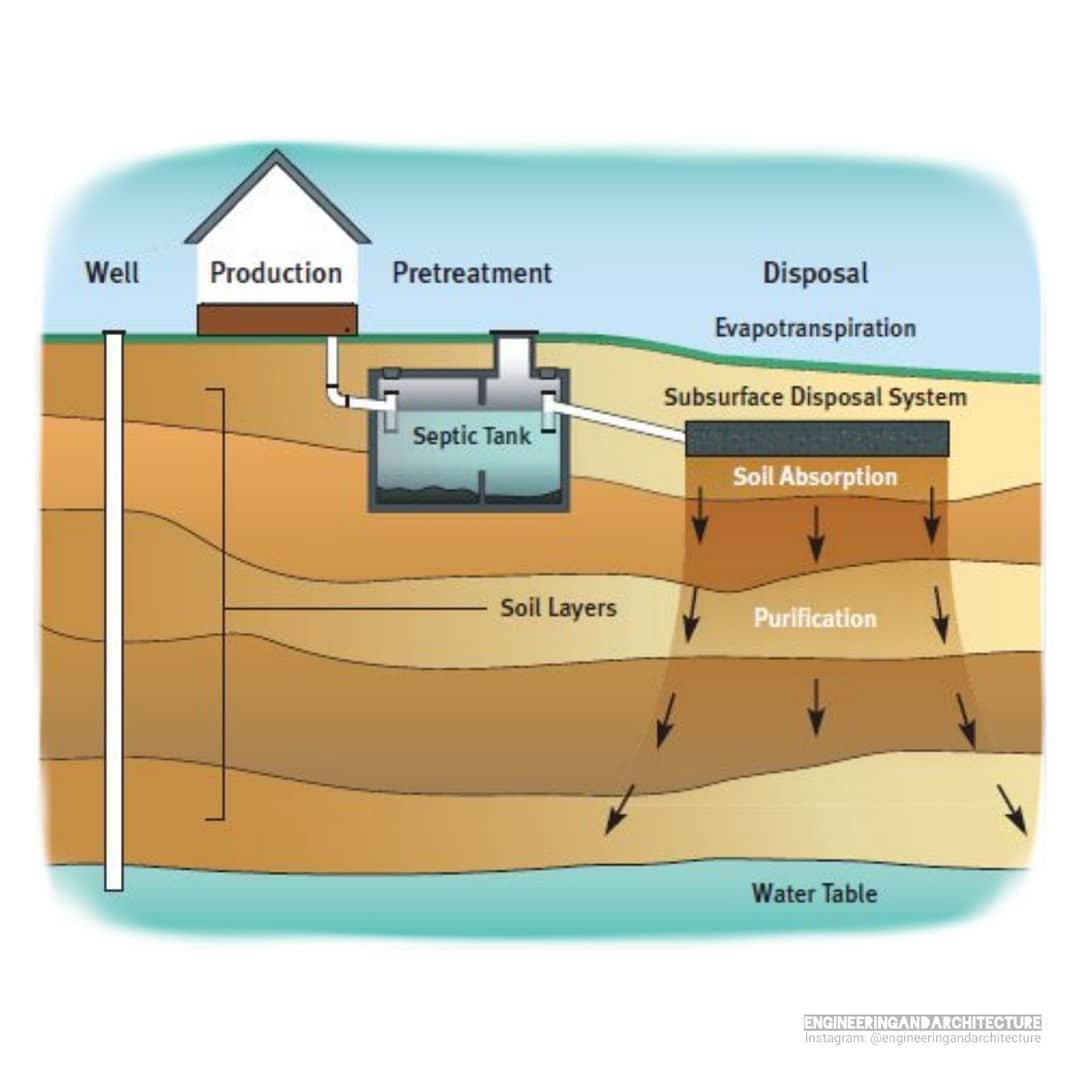
Rain dramatically increases the amount of water entering your septic system. This influx overwhelms the system's capacity to process waste effectively. The added water can push wastewater up and out of the tank and leach field, leading to surface odors. Furthermore, the saturated ground around the system hinders the proper drainage of wastewater, which contributes to the problem. Essentially, your system is struggling to cope with the sudden surge in volume, resulting in that unwelcome smell. Understanding this underlying cause helps you target your solutions effectively.
Quick Fixes for Immediate Relief
Address Surface Odors
Before tackling the root of the problem, deal with the immediate smell. Locate the source of the odor â€" is it near the drain field, the septic tank itself, or perhaps a vent pipe? Once you've pinpointed the area, you can take direct action. For instance, pour a bucket of water directly on the offending area. This will help wash away any surface contaminants causing the smell and temporarily mask the odor. Additionally, use a commercial odor neutralizer specifically designed for septic systems. Follow the product instructions carefully for best results.
Inspect and Clear the Vent Pipe
Your septic system’s vent pipe releases gases that would otherwise build up pressure inside the tank and lines. A clogged vent pipe can easily lead to backups and surface odors. Carefully inspect the vent pipe for any blockages, such as bird nests, leaves, or debris. If you discover an obstruction, gently remove it using appropriate tools, remembering safety precautions. Remember to avoid climbing or reaching in dangerous positions. If the blockage is beyond your reach, consult a septic professional.
Long-Term Solutions for Preventing Future Problems
Maintain Your Septic System
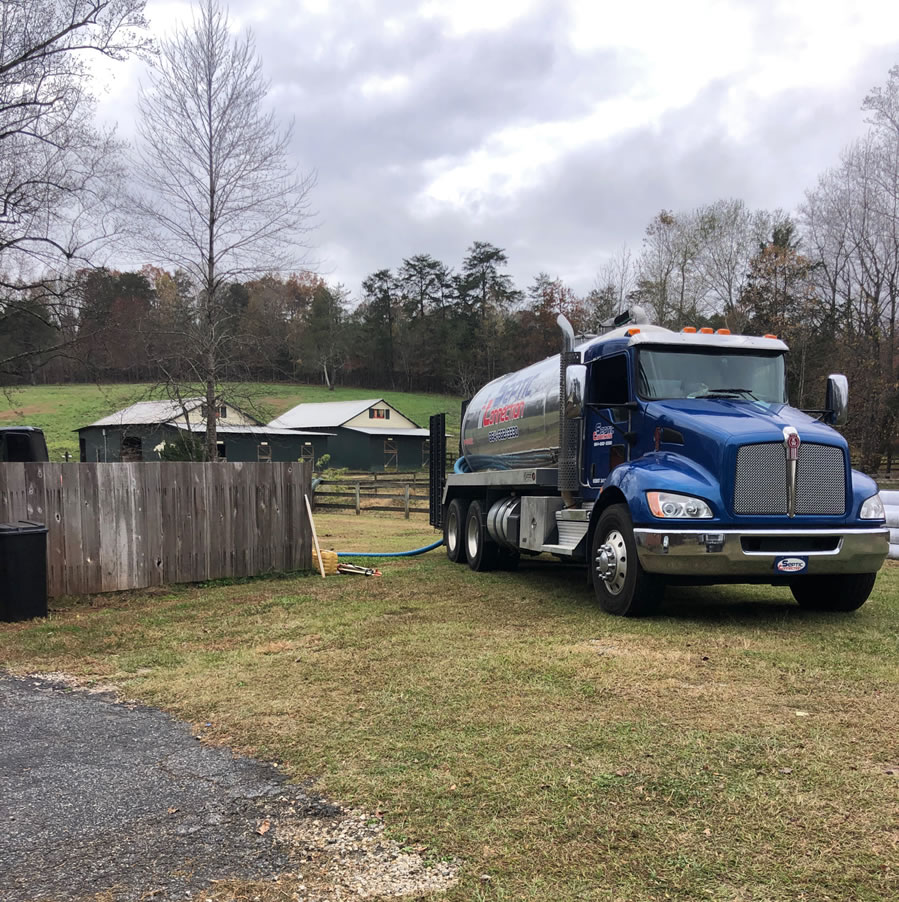
Regular maintenance is crucial for a healthy and odor-free septic system. Schedule regular pumping by a qualified professional. The frequency depends on your system’s size and household usage, but it's generally recommended every 3-5 years. Avoid pouring fats, oils, and grease down the drain, as these can clog your system. Limit the use of harsh chemicals, as they can disrupt the bacterial balance in your septic tank, hindering its ability to process waste. Consider using septic tank additives to promote healthy bacterial growth.
Improve Drainage Around Your Septic System
Ensure the area surrounding your septic tank and drain field has proper drainage. Avoid planting trees or large shrubs near your system, as their roots can damage the drain field. Maintain a clear area around the system to allow for proper water percolation. If you notice standing water around your septic system, you might need to address underlying drainage issues in your yard. This could involve improving grading or installing drainage systems to redirect water away from the septic system. Consulting a landscaper or drainage specialist may be beneficial.
By understanding the causes of septic tank odors after rain and implementing these simple solutions, you can enjoy a fresh-smelling yard and a well-functioning septic system. Remember, prevention is key! Regular maintenance and awareness are your best defenses against those unpleasant post-rain surprises.