The Ultimate Guide to Dealing with Septic Tank Smells in the House
Dealing with septic tank smells in your home can be a frustrating and unpleasant experience. The odor, often described as sewage-like or sulfurous, can permeate your living space, making it uncomfortable and potentially embarrassing for guests. Fortunately, understanding the source of these smells and implementing effective solutions can help you eliminate this problem and regain the fresh air you deserve.
Understanding the Source of Septic Tank Smells
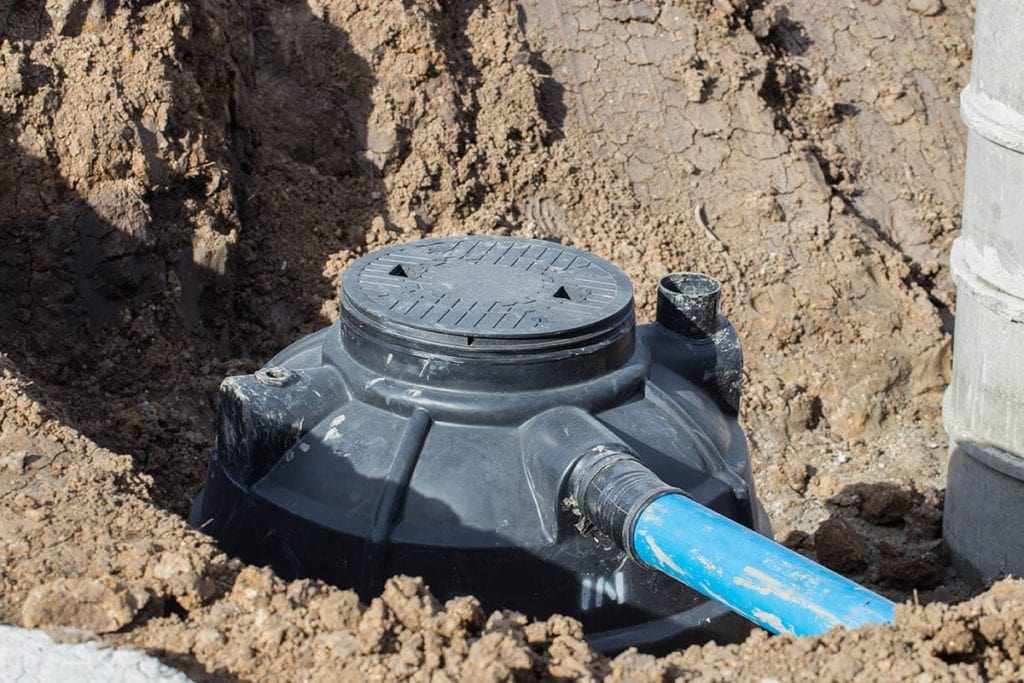
Septic tank smells arise from the breakdown of organic waste in your septic system. Bacteria in the tank decompose waste materials, producing gases like methane and hydrogen sulfide, which are responsible for the unpleasant odor. These gases can escape into the air, especially if there are problems with your septic system, such as:
1. Overloaded Septic Tank:
When your septic tank fills beyond its capacity, it can lead to the backup of wastewater and the release of odor-causing gases into your home. This occurs when you use excessive water in a short time frame, such as during a large family gathering or when using a washing machine or dishwasher repeatedly.
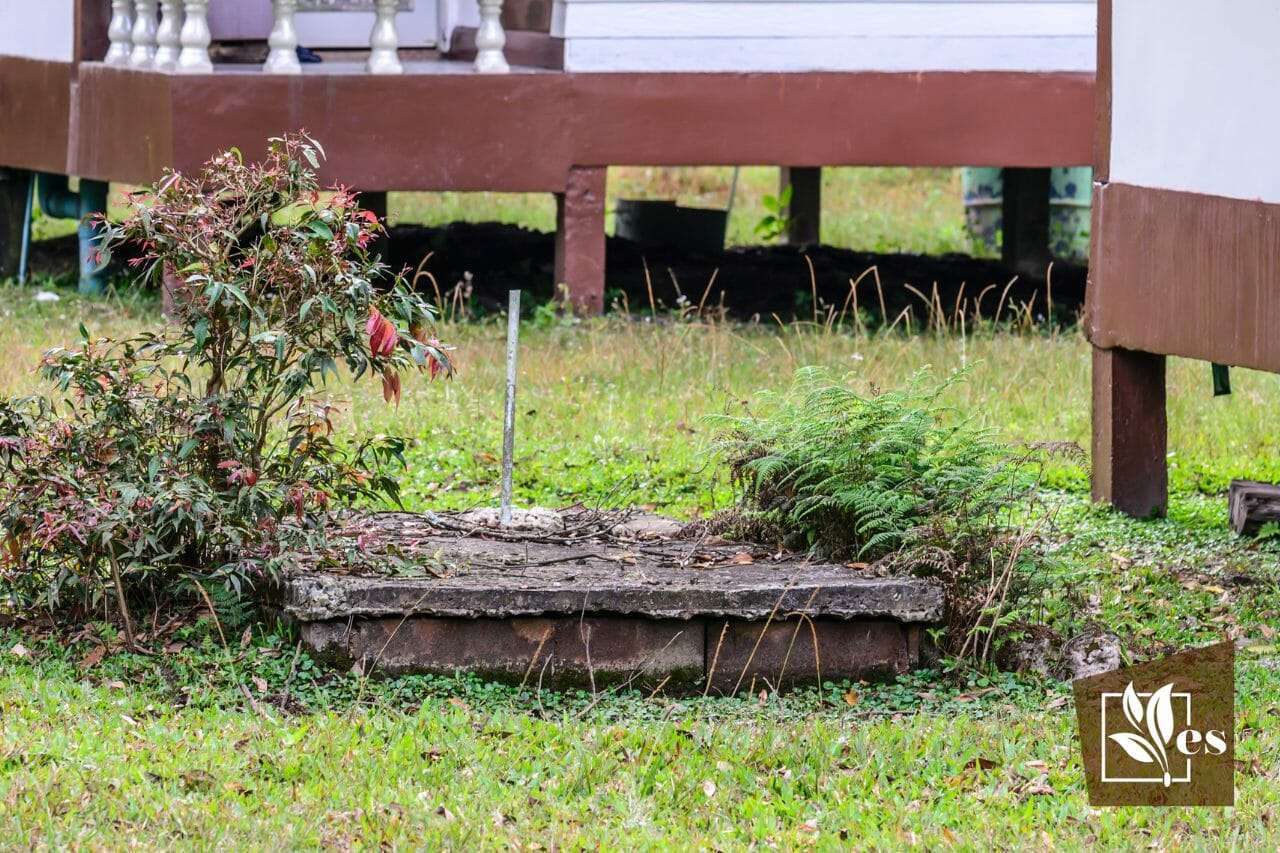
2. Faulty Septic Tank Lid:
A cracked or poorly sealed lid can allow gases to escape from the tank and enter your home, especially if your house is built on a slab foundation.
3. Clogged Drainfield:
The drainfield, which filters wastewater after it leaves the septic tank, can become clogged with solids or debris. A clogged drainfield can back up wastewater into the tank and force gases to rise through the plumbing system and into your home.
4. Improper Vent System:
Every plumbing system, including those connected to septic systems, needs adequate venting to allow air to circulate and prevent pressure buildup. A clogged or faulty vent can cause pressure to build up within the plumbing system, forcing sewer gases to escape through drains and fixtures. This can lead to odors in your bathroom, kitchen, or laundry room.
5. Dry Soil Conditions:
The drainfield relies on soil moisture for proper filtering. In dry conditions, the soil may not be able to effectively absorb wastewater, leading to a buildup of gases and unpleasant odors.
Troubleshooting and Solutions
Once you have identified the potential source of the septic tank smells, you can take steps to eliminate them. Here are some common troubleshooting strategies:
1. Inspect Your Septic Tank Lid:
Check the lid of your septic tank for any cracks, damage, or loose seals. If you find any problems, you should repair or replace the lid as soon as possible.
2. Check Your Vent System:
Ensure your vent system is clear of obstructions and properly functioning. Look for any clogs or blockages that might be preventing proper ventilation. If you suspect a problem with the vent system, you should contact a qualified plumber to inspect and repair it.
3. Monitor Water Usage:
Pay close attention to your water usage habits, especially during periods of high water consumption. Avoid excessive water use in a short period. By managing water usage you can prevent overloading the septic tank.
4. Consider Septic Tank Pumping:
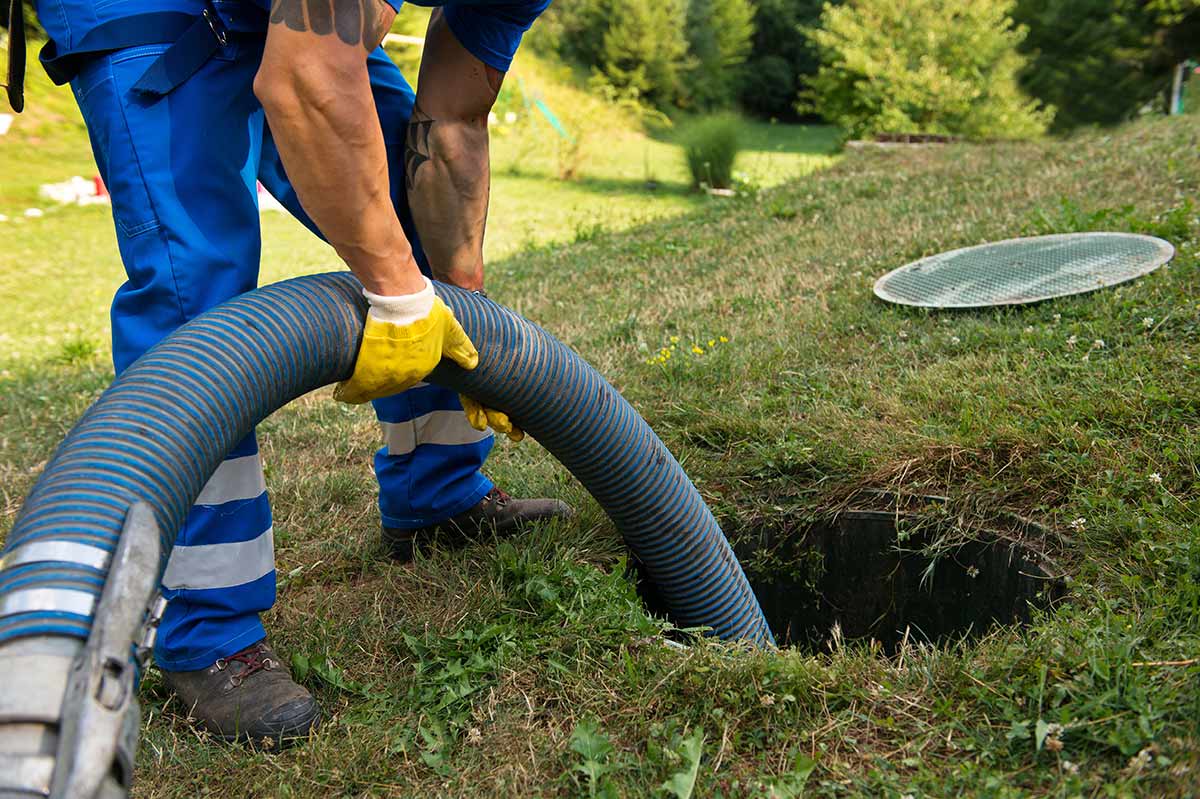
If you suspect your septic tank is overloaded, contact a qualified septic service provider for pumping and inspection. Regular septic tank pumping, ideally every 3-5 years, is essential for maintaining optimal functionality and preventing odor problems.
5. Inspect Your Drainfield:
If your drainfield is suspect, a professional inspection is necessary. A qualified septic contractor can assess the condition of your drainfield and determine if it needs to be repaired or replaced. Consider using water-saving appliances and fixtures to minimize the load on your drainfield.
Home Remedies and Temporary Solutions
While professional septic system maintenance is essential for long-term odor control, there are some temporary solutions you can try to manage septic tank smells in your home:
1. Use Baking Soda and Vinegar:
Pour a cup of baking soda down the drain followed by a cup of vinegar. This creates a fizzing reaction that can help to neutralize odors. This method can be helpful for temporarily reducing odors from drains and plumbing fixtures.
2. Try a Commercial Odor Neutralizer:
Various commercial odor neutralizers are available, often containing enzymes or fragrances. These products can help mask unpleasant smells. However, they only address the symptom, not the underlying problem.
3. Open Windows and Doors:
Circulate air in your home to help disperse odors. Open windows and doors, especially in areas where the smell is strongest.
4. Use Air Fresheners:
Placing air fresheners throughout your home can help mask the odor temporarily. This is a temporary fix as the smell will return when the air freshener dissipates.
Prevention and Maintenance
The best way to prevent septic tank smells is to practice good maintenance habits. Here are some preventative measures you can take:
1. Regular Pumping:
Schedule regular septic tank pumping every 3-5 years or as recommended by your septic system provider. This will prevent the tank from becoming overloaded and reduce the risk of odor problems.
2. Avoid Flushing Unnecessary Items:
Avoid flushing items like disposable wipes, paper towels, feminine hygiene products, or cotton balls down the toilet. These items can clog your pipes and septic system, contributing to odor issues.
3. Be Mindful of Water Usage:
Use water wisely to minimize the load on your septic system. Consider taking shorter showers, using low-flow showerheads and toilets, and running washing machines and dishwashers only when full.
4. Inspect and Maintain Your Septic System:
Schedule regular inspections of your septic system by a qualified professional. Early detection of problems can help prevent costly repairs and odor issues.
When to Call a Professional
If you are experiencing persistent septic tank smells, despite trying the solutions above, it is crucial to contact a qualified septic service provider. A professional can properly diagnose the source of the odor and recommend the appropriate solutions.
Here are some signs that indicate you should call a professional:
- The smell is strong and persistent, despite your attempts to eliminate it.
- You notice other signs of septic system problems, such as slow drains, gurgling sounds in your plumbing, or sewage backing up into your home.
- You have not had your septic tank pumped in several years.
Conclusion
Dealing with septic tank smells can be unpleasant, but it is manageable with the right knowledge and actions. By understanding the causes, troubleshooting potential problems, and practicing good preventative measures, you can keep your home smelling fresh and ensure your septic system operates efficiently. Remember, if you experience persistent odor issues or suspect a problem with your septic system, don’t hesitate to contact a qualified professional for assistance.