Why Do New Septic Tanks Smell and How to Minimize Odors Outside?
A new septic tank shouldn't smell. If you're experiencing unpleasant odors, something is amiss. While a new septic system is designed to effectively break down waste, a few common culprits can cause unwanted smells. This article will explore the root causes of septic tank odor and provide effective strategies for minimizing these issues.
The Culprits Behind Septic Tank Odors
The most common reason for a new septic tank to smell is improper installation. A faulty or incomplete installation can lead to a variety of problems, including:
Improperly Sealed Connections
Loose or improperly sealed connections between the tank and the drain field or other components can create pathways for gases to escape. This can lead to foul odors emanating from the tank or the surrounding soil.
Inadequate Venting
The septic tank requires proper venting to release gases produced during the decomposition process. A lack of proper venting can create pressure build-up, forcing odors out of the tank and into the surrounding environment.
Overflowing Septic Tank
A new tank is designed to handle a certain amount of waste. If you're exceeding the tank's capacity, waste can back up and overflow, leading to a foul odor and potential sewage backup.
Drain Field Issues
Problems with the drain field, such as clogging or improper drainage, can also contribute to septic tank odors. A clogged drain field prevents the treated wastewater from draining properly, leading to a build-up of solids and gases within the tank.
Minimizing Septic Tank Odors
Fortunately, there are several steps you can take to minimize septic tank odors outside your home:
Regular Maintenance
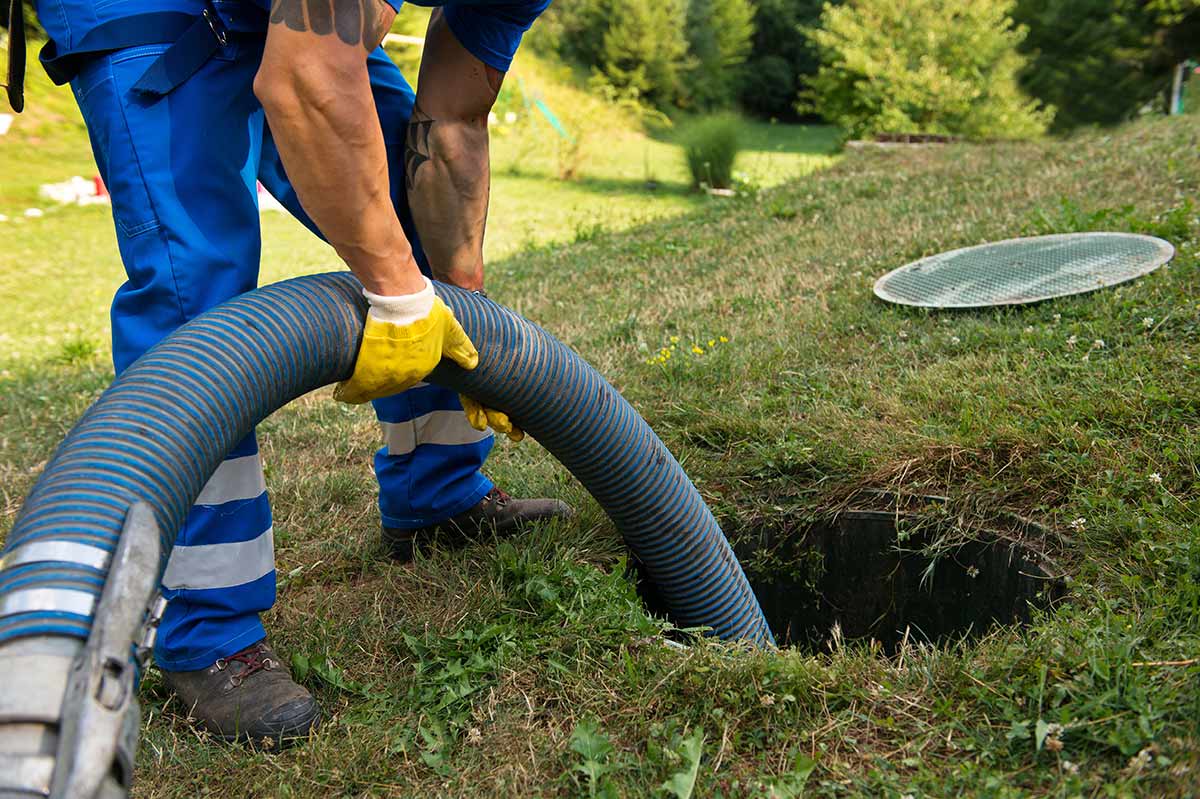
Regular septic tank maintenance is crucial. This includes having the tank pumped out every 3-5 years or as needed, depending on your usage. Routine maintenance helps prevent clogs and overloads, ensuring your tank operates effectively and minimizes odors.
Check Venting
Ensure proper venting is in place. If you have a vent stack, make sure it's properly installed and free of obstructions. Consider having a qualified professional inspect the vent stack for potential issues.
Avoid Overloading the Tank
Limit the amount of waste you send down the drain. Be mindful of things like disposable wipes, excessive grease, and large quantities of paper products. These items can contribute to clogs and overflow, leading to unpleasant odors.
Utilize Septic Tank Additives
Septic tank additives, such as bacterial enzymes, can help break down waste more effectively. These additives can reduce odor production and promote a healthier environment for your septic system.
Inspect the Drain Field
Regularly inspect your drain field for signs of problems. If you notice standing water, unusual growth, or other abnormalities, consult a professional for inspection and potential repairs. A properly functioning drain field is essential for odor control and septic system efficiency.
When to Call a Professional
If you're dealing with persistent septic tank odors, despite following the tips above, it's best to contact a qualified septic tank professional. They can diagnose the issue, provide solutions, and perform necessary repairs or maintenance.
Remember, a well-maintained septic system should be odor-free. By addressing the underlying issues and implementing preventative measures, you can enjoy a clean and odor-free environment around your home.
0 comments:
Post a Comment
Note: Only a member of this blog may post a comment.