Friday, November 22, 2024

Easy Fixes for Septic Tank Smell After Rain

Easy Fixes for Septic Tank Smell After Rain

Easy Fixes for Septic Tank Smell After Rain

That telltale sewage odor wafting after a rainfall? It’s a common problem for homeowners with septic systems, and while it can be alarming, it's often easily addressed. Rainwater, instead of soaking into the ground, can sometimes overload your septic system, causing wastewater to back up and release unpleasant gases. Don't panic! This article provides simple, effective solutions to banish that post-rain stink and keep your septic system running smoothly.

Understanding the Problem: Why Rain Exacerbates Septic Odors

Rain dramatically increases the amount of water entering your septic system. This influx overwhelms the system's capacity to process waste effectively. The added water can push wastewater up and out of the tank and leach field, leading to surface odors. Furthermore, the saturated ground around the system hinders the proper drainage of wastewater, which contributes to the problem. Essentially, your system is struggling to cope with the sudden surge in volume, resulting in that unwelcome smell. Understanding this underlying cause helps you target your solutions effectively.

Quick Fixes for Immediate Relief

Address Surface Odors

Before tackling the root of the problem, deal with the immediate smell. Locate the source of the odor â€" is it near the drain field, the septic tank itself, or perhaps a vent pipe? Once you've pinpointed the area, you can take direct action. For instance, pour a bucket of water directly on the offending area. This will help wash away any surface contaminants causing the smell and temporarily mask the odor. Additionally, use a commercial odor neutralizer specifically designed for septic systems. Follow the product instructions carefully for best results.

Inspect and Clear the Vent Pipe

Your septic system’s vent pipe releases gases that would otherwise build up pressure inside the tank and lines. A clogged vent pipe can easily lead to backups and surface odors. Carefully inspect the vent pipe for any blockages, such as bird nests, leaves, or debris. If you discover an obstruction, gently remove it using appropriate tools, remembering safety precautions. Remember to avoid climbing or reaching in dangerous positions. If the blockage is beyond your reach, consult a septic professional.

Long-Term Solutions for Preventing Future Problems

Maintain Your Septic System

Regular maintenance is crucial for a healthy and odor-free septic system. Schedule regular pumping by a qualified professional. The frequency depends on your system’s size and household usage, but it's generally recommended every 3-5 years. Avoid pouring fats, oils, and grease down the drain, as these can clog your system. Limit the use of harsh chemicals, as they can disrupt the bacterial balance in your septic tank, hindering its ability to process waste. Consider using septic tank additives to promote healthy bacterial growth.

Improve Drainage Around Your Septic System

Ensure the area surrounding your septic tank and drain field has proper drainage. Avoid planting trees or large shrubs near your system, as their roots can damage the drain field. Maintain a clear area around the system to allow for proper water percolation. If you notice standing water around your septic system, you might need to address underlying drainage issues in your yard. This could involve improving grading or installing drainage systems to redirect water away from the septic system. Consulting a landscaper or drainage specialist may be beneficial.

By understanding the causes of septic tank odors after rain and implementing these simple solutions, you can enjoy a fresh-smelling yard and a well-functioning septic system. Remember, prevention is key! Regular maintenance and awareness are your best defenses against those unpleasant post-rain surprises.

Wednesday, November 20, 2024

Top Household Remedies for Septic Tank Smell Removal

Top Household Remedies for Septic Tank Smell Removal

Banishing the Bog: Top Household Remedies for Septic Tank Smell Removal

That tell-tale sewer smell wafting from your yard is never pleasant. A septic tank issue can quickly become a major headache, but before you call in the professionals, try these effective and affordable household remedies. These methods target the source of the odor â€" bacteria and gases â€" and can often alleviate the problem, saving you time and money. Remember, while these remedies can help mask or reduce the smell, persistent or worsening odors necessitate a professional inspection to rule out serious issues with your septic system.

Understanding the Source of the Stink

Septic tank odors originate from the breakdown of organic matter within the tank. Bacteria diligently decompose waste, producing gases like hydrogen sulfide â€" the culprit behind that rotten egg smell. These gases can escape through cracks in the tank, vent pipes, or even the soil, leading to unpleasant odors around your property. The key to effective odor control lies in managing these gases and limiting the growth of odor-causing bacteria.

Natural Remedies to Neutralize Septic Tank Odors

Fortunately, many readily available household items can help combat those offensive smells. These natural remedies work by either neutralizing the odors directly or by promoting a healthier bacterial balance within your septic system, thus reducing gas production.

Baking Soda and Vinegar: A Dynamic Duo

This classic cleaning combination is surprisingly effective for septic tank odor control. Baking soda acts as a natural deodorizer, absorbing unpleasant smells. Vinegar, being acidic, helps to disrupt the growth of odor-causing bacteria. Pour a mixture of one cup of baking soda and one cup of vinegar down your toilet and let it fizz. Follow this up with several gallons of water to flush the mixture into the tank. Repeat this process every few weeks for preventative maintenance, particularly during warmer months when bacterial activity is higher.

The Power of Epsom Salt

Epsom salt isn't just for baths; it can also help improve your septic system's function and reduce odor. Epsom salt (magnesium sulfate) can help to break down solids within the tank, reducing the amount of material available for odor-producing bacteria to feast on. Simply pour a few cups of Epsom salt down your toilet once a month, followed by a flush of water. This gentle approach can promote a healthier septic environment.

Enzyme Treatments: Nature’s Cleaning Crew

You can find commercially available septic tank enzyme treatments at most home improvement stores. These products contain beneficial bacteria and enzymes that actively break down organic waste, significantly reducing odor-producing gases. These are usually added monthly according to the product instructions, promoting a more efficient and less smelly septic system.

Addressing the Issue: Preventative Measures

While these remedies are effective at managing odors, preventing them is even better! Here's how:

  • Avoid Flushing Non-Biodegradables: Don't flush things like sanitary wipes, paper towels, cotton balls, or feminine hygiene products. These items can clog your system and contribute to odor buildup.
  • Regular Pumping: Schedule regular septic tank pumping (every 3-5 years, depending on usage). A full tank is more prone to overflowing and creating unpleasant odors.
  • Proper Landscaping: Ensure proper drainage around your septic tank to prevent water from saturating the soil and causing gases to escape.
  • Water Usage: Sufficient water usage helps keep your system flushed and functioning optimally, reducing odor-producing buildup.

By employing these natural remedies and practicing good septic maintenance, you can keep those unpleasant septic tank smells at bay and enjoy a fresh-smelling home and yard.

Tuesday, November 19, 2024

Septic Tank Smell Solutions for Homeowners

Septic Tank Smell Solutions for Homeowners

Septic Tank Smell Solutions for Homeowners

The unmistakable, pungent odor emanating from a malfunctioning septic system is not only unpleasant but also indicative of a serious problem requiring immediate attention. Ignoring the smell can lead to more significant issues, including health hazards and costly repairs. This comprehensive guide provides homeowners with a detailed understanding of the causes of septic tank odors and offers practical, effective solutions to eliminate them and prevent future occurrences.

Identifying the Source of Septic Odors

Before attempting any remediation, it is crucial to pinpoint the precise source of the unpleasant smell. This may involve a systematic investigation of various components of the septic system and surrounding areas. The odor's intensity and location can offer valuable clues.

Inspecting the Tank and Baffle

A failing septic tank is often the primary culprit. Cracks in the tank itself or damaged baffles (internal components separating the solids from the liquids) can allow sewage gases to escape. A visual inspection, if possible and safe, may reveal these issues. However, it is strongly advised to contact a qualified septic professional for this task, as accessing the tank can be dangerous.

Assessing the Drain Field

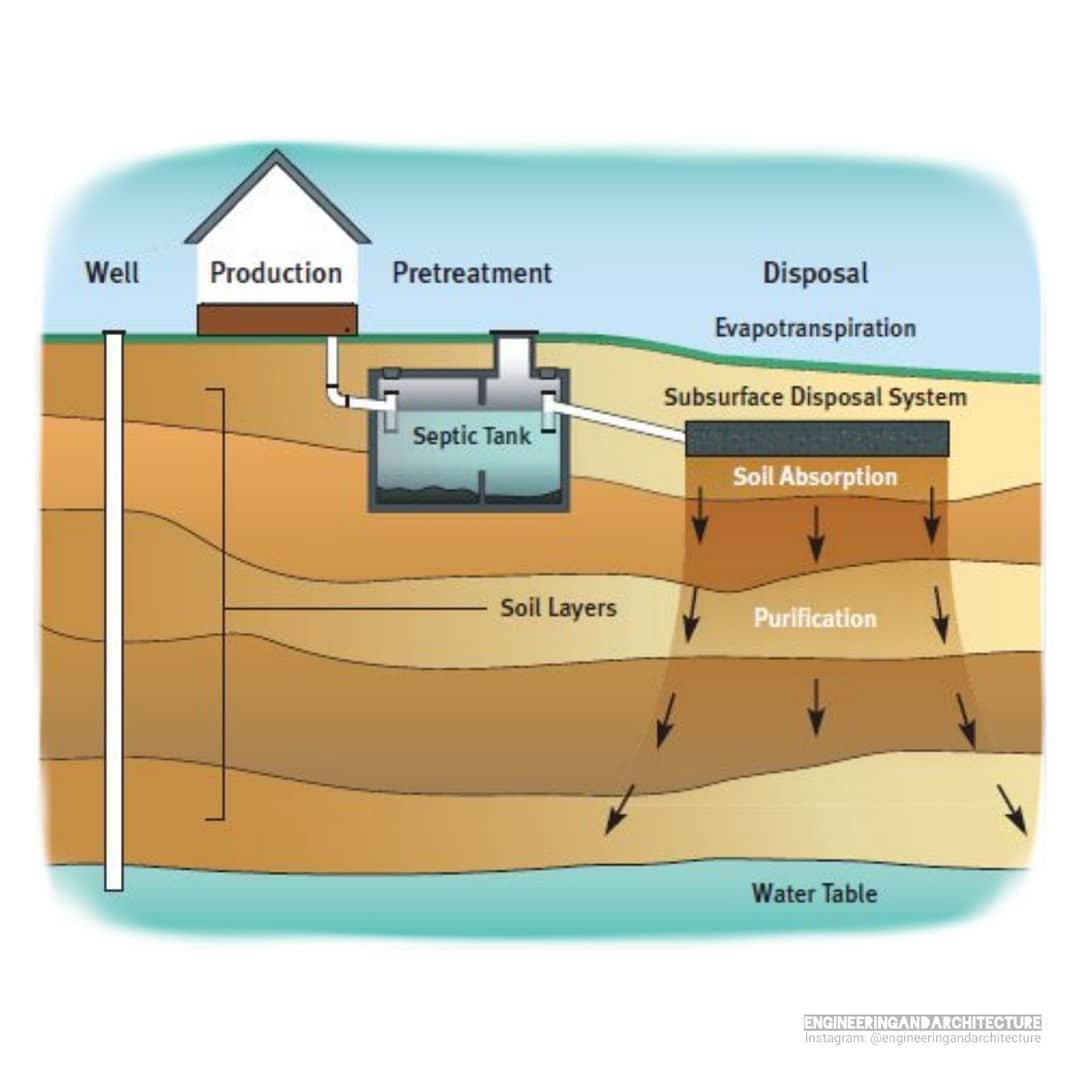
The drain field, also known as the leach field, is responsible for dispersing the treated wastewater into the soil. If the drain field is clogged or saturated, it cannot adequately process the effluent, leading to a backup and the release of foul odors. Signs of a failing drain field include unusually lush vegetation over the area or soggy ground.

Checking Ventilation Pipes

Septic tanks require proper ventilation to prevent the buildup of pressure and the release of gases. Blocked or damaged vent pipes can force gases to escape through other pathways, such as cracks in the tank or drains. Inspecting the vent pipe for blockages is a crucial step.

Evaluating Plumbing Fixtures

Sometimes, the odor isn't directly from the septic tank but originates from plumbing fixtures within the house. Dry traps in sinks, toilets, or floor drains can allow sewer gases to enter the living space. These traps are designed to hold a small amount of water, creating a seal that prevents gas from escaping. If the water evaporates, the seal is broken, resulting in unpleasant smells.

Effective Solutions for Eliminating Septic Odors

Addressing septic tank odors requires a multi-pronged approach, combining immediate solutions with long-term preventative measures. The specific actions taken will depend on the identified source of the problem.

Immediate Actions for Odor Control

For immediate relief, several temporary measures can help mask or neutralize the odor while awaiting professional assessment and repair:

  • Baking soda and vinegar: Pouring baking soda down drains followed by vinegar can help neutralize some odors.
  • Commercial odor eliminators: Various septic tank odor eliminators are available commercially, designed to break down odor-causing compounds.
  • Ventilation: Improve air circulation in the affected area by opening windows and using fans.
  • Enzyme treatments: Enzyme-based products help break down organic waste within the septic tank, reducing odor-producing bacteria.

Important Note: These are temporary solutions and do not address the underlying cause of the odor. Professional intervention is necessary for lasting results.

Long-Term Solutions and Preventative Maintenance

Addressing the root cause requires a more substantial approach, often involving professional assistance:

  • Septic Tank Pumping: Regular pumping of the septic tank is crucial to prevent solids from accumulating and causing blockages. Frequency depends on tank size and household size, but generally, pumping every 3-5 years is recommended.
  • Drain Field Repair or Replacement: A failing drain field may require repair or complete replacement, a task best left to experienced professionals.
  • Septic Tank Repair or Replacement: If the tank itself is cracked or damaged, repair or replacement may be necessary.
  • Vent Pipe Inspection and Cleaning: Check and clean the vent pipe to ensure proper ventilation. This can often be done by a professional plumber.
  • Plumbing Trap Maintenance: Regularly check plumbing traps to ensure they are filled with water and functioning correctly. Add water if necessary.
  • Avoid Flushing Harmful Substances: Avoid flushing items like sanitary napkins, diapers, grease, and excessive amounts of paper down the toilet, as these can contribute to blockages and odors.
  • Water Usage Management: Minimize water usage during peak times to prevent overloading the septic system.

Professional Assistance: When to Call a Septic Contractor

While some minor issues can be addressed with DIY solutions, it's essential to recognize when professional assistance is necessary:

  • Persistent or worsening odors: If temporary measures fail to eliminate the smell or if the odor intensifies, contact a septic professional.
  • Visible signs of sewage backup: Any evidence of sewage backing up into the house requires immediate professional attention.
  • Soggy or saturated ground around the drain field: This indicates potential failure of the drain field.
  • Uncertainty about the septic system: If you are unsure about the condition or functionality of your septic system, a professional inspection is advisable.

Conclusion

Septic tank odors are a significant concern for homeowners. Addressing the underlying problem is crucial not only for eliminating the unpleasant smell but also for ensuring the long-term health and functionality of the septic system. By implementing the strategies outlined in this guide, homeowners can proactively prevent odor issues and protect their investment in their property. Remember that prompt action and professional assistance when needed can prevent minor problems from escalating into major and costly repairs.

Sunday, November 17, 2024

Simple Solutions to Eliminate Septic Tank Smell in Your Home

Simple Solutions to Eliminate Septic Tank Smell in Your Home

Simple Solutions to Eliminate Septic Tank Smell in Your Home

A pungent, sewage-like odor emanating from your home can be a real nuisance. More than just an unpleasant smell, it can indicate a problem with your septic system. While a professional plumber is usually the best solution for a serious septic system issue, there are a few simple things you can do to tackle those unpleasant odors yourself.

1. Address the Source: The Importance of Proper Ventilation

The first step to getting rid of septic tank smells is to ensure your home has proper ventilation. A well-ventilated house allows stale air to escape, preventing the buildup of odors. Check your bathroom vent fan and make sure it’s working properly. It should vent directly to the outside, not into the attic or another part of the house. If your vent fan is old or malfunctioning, consider replacing it. You can also try opening windows and doors to improve airflow.

2. Don’t Overburden Your Septic System: Wise Water Use

A septic system is designed to break down wastewater. Overloading it can lead to inefficiency and odors. Here are some tips for reducing the strain on your system:

Reduce Water Consumption

Take shorter showers, fix leaky faucets, and use low-flow showerheads and toilets. Opt for a water-efficient washing machine and dishwasher. Limit the number of times you run your laundry and dishwasher.

Avoid Flushing Unnecessary Items

Avoid flushing items like wipes, paper towels, and feminine hygiene products down the toilet. These items don’t break down easily and can clog your septic system, leading to backups and smells.

3. Maintain Your Drain Field: A Crucial Step

The drain field is where wastewater from your septic tank is treated. It’s important to keep it clear of obstructions to ensure proper drainage. Here are some tips:

Avoid Parking on the Drain Field

Parking on the drain field can compact the soil, hindering drainage. It can also damage the drain pipes. Find alternative parking spots if possible.

Avoid Planting Trees or Shrubs Near the Drain Field

Tree roots can grow into the drain field, causing blockages. Choose landscaping plants that don’t have aggressive root systems.

Periodic Inspection and Maintenance

It’s a good idea to have your septic system inspected every 3-5 years. Regular maintenance can help prevent problems and odors before they arise.

4. Home Remedies for Temporary Relief: Quick Fixes for Unpleasant Odors

While addressing the source of the smell is essential, these quick fixes can help temporarily neutralize unpleasant odors:

Use Baking Soda and Vinegar

A mixture of baking soda and vinegar can help deodorize drains and toilets. Pour a cup of baking soda down the drain, followed by a cup of vinegar. Allow it to fizz for a few minutes, then flush with hot water.

Pour in a Septic Tank Treatment

Septic tank treatments are available at most hardware stores. These products contain bacteria that help break down waste, reducing odors.

Sprinkle Ground Coffee

Coffee grounds can absorb odors. Sprinkle some coffee grounds around your drains or in the affected areas to help mask unpleasant smells.

5. Seek Professional Help When Necessary: Knowing When to Call a Plumber

If you’ve tried these simple solutions and the odor persists, it’s time to call a plumber. A professional can assess your septic system for potential problems and recommend solutions. Here are some signs that you need professional help:

  • A persistent, strong sewage odor
  • Slow-draining toilets or sinks
  • Gurgling noises from drains
  • Water pooling around the drain field
  • Visible cracks or damage to the septic tank
  • Don’t ignore a persistent septic tank smell. By taking the necessary steps to address the issue, you can enjoy a fresh, odor-free home.

    The Ultimate Guide to Removing Septic Tank Smells Inside Your Home

    The Ultimate Guide to Removing Septic Tank Smells Inside Your Home

    The Ultimate Guide to Banishing Septic Tank Smells from Your Home

    Let's face it: nobody wants their home smelling like a sewer. But sometimes, that funky, unpleasant odor creeps in, usually from the dreaded septic system. Don't worry, you're not alone! Septic tank smells are a common problem, but there are solutions. This comprehensive guide will help you conquer those unwanted aromas and regain the fresh, clean air you deserve in your home.

    Understanding the Source: Why Do Septic Systems Smell?

    Before we tackle the solutions, let's understand why those smells happen. Here's the lowdown:

    • Gases: When organic waste breaks down in your septic tank, it produces gases like hydrogen sulfide (that rotten egg smell) and methane (the flammable kind). These gases naturally rise, and if your system isn't working properly, they can escape through vents, pipes, and even cracks in your foundation.
    • Leaks: Sometimes, the culprit is a leak in your septic system. This could be a crack in the tank itself, a broken pipe, or a faulty seal around the lid. Leaks allow those smelly gases to escape directly into your living space.
    • Overloaded System: If your septic tank is overloaded with too much waste, it can't process it efficiently, leading to more gas production and a higher chance of those smells escaping.
    • Dry Well Issues: The dry well (also called a leach field) is where the treated wastewater from your septic tank is discharged. If it becomes clogged or doesn't drain properly, it can back up and release unpleasant odors.

    Tackling the Smell: A Step-by-Step Approach

    Now, let's get those smells out of your house. Here's a step-by-step guide:

    Step 1: Identify the Source

    This is the most crucial step! Without knowing where the odor is coming from, you're just fighting a losing battle. Look for these signs:

    • Check the Drain Field: Is the ground around your drain field soggy, indicating a possible blockage or backup?
    • Sniff Around: Does the smell seem to be strongest near the bathroom, kitchen, or laundry room? Those areas usually have drain pipes that connect to your septic system.
    • Inspect Vents: Look for vent pipes on your roof. Do they have any cracks or obstructions?
    • Check the Tank Lid: Is the lid cracked or improperly sealed?

    Step 2: Eliminate the Source

    Once you've identified the source of the smell, you can take appropriate action:

    • Leaks: If you find a leak, call a qualified septic system professional. They'll be able to diagnose the problem and make repairs.
    • Overload: Avoid overloading your system. Try using less water by taking shorter showers, running your dishwasher less often, and using a low-flow toilet.
    • Clogged Drain Field: A clogged drain field may require professional cleaning and maintenance.
    • Vent Issues: Clear any obstructions from your roof vents and make sure they are properly sealed and functioning.
    • Tank Lid: Repair or replace a damaged tank lid to prevent gas escape.

    Step 3: Deodorize and Neutralize

    Even after addressing the source, you may still have lingering odors. Here's how to tackle them:

    • Baking Soda and Vinegar: Pour baking soda down drains and follow with vinegar. The fizzing action helps to clear blockages and neutralize odors.
    • Commercial Deodorizers: There are many septic system deodorizers available at home improvement stores. These products contain enzymes that break down waste and reduce odor.
    • Air Freshener: Use air fresheners throughout your home to mask any remaining odors.
    • Natural Options: Place bowls of baking soda or activated charcoal in affected areas to absorb odors.

    Step 4: Preventative Measures

    Once you've conquered the current smell, it's important to take steps to prevent it from returning. Here are some preventative measures:

    • Regular Inspections: Schedule regular inspections of your septic system with a qualified professional. They can identify potential problems before they become major issues.
    • Avoid Flushing Problematic Items: Don't flush anything that doesn't belong in the system, such as:
      • Toilet paper that isn't specifically designed for septic systems
      • Disposable wipes
      • Grease
      • Hair
      • Coffee grounds
    • Water Conservation: Continue to conserve water to reduce strain on your system.
    • Keep the Drain Field Clear: Avoid planting trees or shrubs near your drain field, as their roots can damage the system.

    When to Call a Professional

    While many septic system issues can be addressed with DIY methods, some require professional expertise. Here are some situations where you should call a septic system professional:

    • Recurring Smells: If the smell keeps coming back, even after you've tried the steps above, a professional can pinpoint the root cause and recommend the right solution.
    • Visible Leaks: Don't try to fix a leaking septic tank yourself. A professional can safely and effectively repair leaks.
    • Overloaded System: If your septic system is consistently overloaded, you may need to consider expanding or upgrading the system. A professional can assess your needs and provide recommendations.
    • Backups: If your sewage backs up into your home, this is a serious problem that requires immediate professional attention.

    Commonly Asked Questions

    Here are some common questions people have about septic system smells:

    • Why does my septic tank smell like sulfur? This is usually due to hydrogen sulfide gas, which is produced by the breakdown of organic waste. This smell is especially common if your system is overloaded or not properly maintained.
    • My septic tank smells like sewage. What's wrong? A sewage smell usually indicates a backup in the system. This could be caused by a clog in the drain field, a broken pipe, or an overloaded tank. Contact a professional for diagnosis and repair.
    • How often should I have my septic tank pumped? Most septic tanks need to be pumped every 3-5 years, but this can vary depending on the size of the tank and the number of people using it.
    • Can I use chemicals in my septic system? It's generally not recommended to use chemicals in your septic system. They can kill the beneficial bacteria that help break down waste, potentially causing more problems than they solve.
    • How can I tell if my septic system is failing? Signs of a failing septic system include slow drains, recurring smells, gurgling sounds in drains, soggy ground around the drain field, and the presence of standing water.

    Remember, maintaining your septic system is crucial for your home's health and comfort. By following these tips, you can keep those unwanted smells at bay and enjoy a fresh, clean-smelling home.

    Saturday, November 16, 2024

    How to Handle a Septic Tank That Smells Like Sewage

    How to Handle a Septic Tank That Smells Like Sewage

    How to Handle a Septic Tank That Smells Like Sewage

    A septic system is a crucial component of a home's sanitation infrastructure, but it's a system that can be prone to issues. One of the most unpleasant experiences a homeowner can encounter is a septic tank that emits a strong sewage odor. This odor can be a significant nuisance and may indicate underlying problems that require immediate attention. This guide will delve into the common causes of sewage odors emanating from septic tanks and provide a comprehensive strategy for addressing the issue effectively.

    Understanding the Sources of the Odor

    The foul odor associated with a septic tank usually originates from the release of hydrogen sulfide gas, which is a natural byproduct of the breakdown of organic waste within the tank. This gas can be released into the surrounding environment through various pathways, leading to an unpleasant stench.

    1. Septic Tank Overflow

    When the septic tank reaches its capacity, the waste can start backing up into the drainfield or even into the home's plumbing system. This overflow can lead to sewage odors both inside and outside the house.

    2. Clogged Drainfield

    The drainfield is responsible for filtering the treated wastewater from the septic tank. When the drainfield becomes clogged, it can restrict the flow of water, leading to a buildup of waste and a strong sewage smell.

    3. Leaking Septic Tank

    Cracks or holes in the septic tank can allow sewage to seep into the surrounding soil, causing a noticeable odor. These leaks can also contaminate groundwater and pose a significant health hazard.

    4. Defective Vent Pipes

    Vent pipes are essential for allowing gases to escape from the septic system. If these pipes are blocked or damaged, gases can build up in the tank and release into the environment, resulting in a strong sewage odor.

    5. Improper Maintenance

    Lack of regular maintenance, such as septic tank pumping, can lead to a buildup of sludge and scum, creating an ideal environment for odor-producing bacteria to thrive.

    Troubleshooting and Addressing the Problem

    Identifying the root cause of the sewage smell is crucial for selecting the appropriate solution. The following steps can help you diagnose and address the problem effectively:

    1. Inspect the Septic Tank

    Carefully examine the septic tank for any visible signs of leakage, cracks, or damage. Look for signs of overflow or excessive sludge buildup. Note any unusual odors or noises emanating from the tank. If you are unfamiliar with septic tank inspections, it's advisable to consult with a professional.

    2. Check the Drainfield

    Inspect the drainfield for any signs of flooding, standing water, or vegetation growth. Look for any visible cracks or depressions in the soil. Check for any signs of blockage or improper drainage.

    3. Investigate Vent Pipes

    Ensure the vent pipes are clear and unobstructed. Look for any signs of damage or blockage. If necessary, have the vent pipes cleaned and repaired by a qualified professional.

    4. Consider Professional Inspection

    If you are unable to identify the source of the odor or if you suspect a serious problem, it's highly recommended to call a qualified septic system inspector. They have the expertise and equipment to thoroughly examine your septic system and diagnose the issue accurately.

    Solutions for Septic Tank Odors

    Depending on the source of the odor, the solutions may vary. Here are some common approaches to tackle sewage smells:

    1. Septic Tank Pumping

    Regularly pumping the septic tank is essential for maintaining its proper functioning. A professional septic tank pumper can remove the accumulated sludge and scum, preventing overflow and odor issues. It's recommended to pump your septic tank every 3-5 years, or more frequently if you have a larger household or experience excessive waste generation.

    2. Drainfield Repair or Replacement

    If the drainfield is clogged or damaged, it may require repair or replacement. A qualified contractor can assess the situation and recommend the appropriate solution. Repairing or replacing the drainfield can be a complex and costly process, but it's crucial for restoring the system's functionality and eliminating the sewage odor.

    3. Septic Tank Repair or Replacement

    If the septic tank is leaking or damaged, it may need to be repaired or replaced entirely. Repairing a cracked tank may be possible, but if the damage is extensive, a replacement is often the best option. Replacing a septic tank involves excavating the old tank, installing a new one, and connecting it to the plumbing system. This is a significant undertaking, requiring professional expertise.

    4. Vent Pipe Cleaning or Repair

    If the vent pipes are blocked or damaged, they need to be cleaned or repaired. Vent pipe cleaning can be done by a professional using specialized equipment. If the pipes are damaged, they need to be replaced to ensure proper ventilation. A blocked or damaged vent pipe can lead to a buildup of gases and a strong sewage odor.

    5. Bioaugmentation

    Bioaugmentation involves adding beneficial bacteria to the septic tank to aid in the breakdown of organic waste. These bacteria can help reduce the odor and improve the overall efficiency of the system. Bioaugmentation products are readily available at hardware stores and online retailers. They can be added to the septic tank according to the manufacturer's instructions.

    Preventive Measures to Avoid Septic Tank Odors

    Proactive measures can help prevent sewage odors and ensure the longevity of your septic system:

    • Regular Pumping: Pump your septic tank every 3-5 years or as recommended by the manufacturer. Regular pumping prevents sludge and scum buildup, which can cause odor problems.
    • Avoid Flushing Unnecessary Items: Don't flush anything down the toilet other than toilet paper and human waste. Items like wipes, paper towels, feminine hygiene products, and medications can clog the drainfield and cause odor problems.
    • Minimize Chemical Use: Avoid using harsh chemicals like bleach and cleaners in your septic system. These chemicals can kill beneficial bacteria and disrupt the natural breakdown process, leading to odor issues.
    • Maintain the Drainfield: Keep the area around the drainfield free of trees and vegetation. The roots of these plants can grow into the drainfield and cause blockage.
    • Use Water Wisely: Avoid excessive water usage, especially during peak hours. This can put a strain on the septic system and increase the risk of overflow.
    • Regular Inspections: Schedule periodic inspections of your septic system by a qualified professional. This can help identify potential problems early on, before they become major issues.

    Conclusion

    A septic tank that smells like sewage is a sign of a problem that needs to be addressed promptly. By understanding the causes of the odor, troubleshooting the issue, and taking preventive measures, you can effectively handle the problem and ensure the longevity of your septic system. Remember to consult with a qualified professional if you are unable to identify the source of the odor or suspect a serious problem. A well-maintained septic system is essential for a healthy and hygienic living environment.

    How to Clean Your Septic Tank Using Safe DIY Methods (No Pumping)

    How to Clean Your Septic Tank Using Safe DIY Methods (No Pumping)

    How to Clean Your Septic Tank Using Safe DIY Methods (No Pumping)

    You know that rumbling in your stomach? That’s your septic tank letting you know it’s time to clean it out. But before you reach for the phone to call a professional, hold on! You might be able to get your septic tank sparkling clean with some DIY methods that are safe for your system and your wallet.

    Now, let’s be real, sometimes a septic tank just needs a good ol’ fashioned pumping. This is especially true if you’ve got a larger family or if you’ve been slacking on your septic tank maintenance (we’ve all been there!). But if you’re looking for a way to extend the time between pumpings or maybe just keep your system in tip-top shape, these DIY methods might be the answer you’ve been searching for.

    Keep in mind, the methods I'm about to share are best for preventing problems rather than fixing them. So if you're dealing with a major septic tank issue, like a backup or slow draining, you should call a professional ASAP. They'll be able to assess the situation and recommend the best course of action.

    DIY Septic Tank Cleaning: What's the Deal?

    Let's talk about the basics. Your septic tank is like a little mini-city for bacteria. These little guys work tirelessly to break down the waste you send their way. It’s kind of a symbiotic relationship; they eat the waste, and in return, they help keep your septic system running smoothly. The problem is that sometimes, these bacteria need a little help to stay happy and efficient.

    That’s where DIY septic tank cleaning comes in. We’re not talking about physically cleaning out your tank â€" that’s a job for the professionals. We’re talking about giving your system a little boost to help those bacteria do their thing. Here's how we do it:

    DIY Septic Tank Cleaning Methods

    1. The Power of Natural Enzymes

    Think of enzymes as the superheroes of your septic system. They help break down waste faster, making it easier for the bacteria to do their job. There are tons of natural enzyme products on the market, and they’re super easy to use.

    Just follow the instructions on the package. Most of these products are safe for your system and the environment. You can even make your own enzyme solution by mixing baking soda, vinegar, and water. It’s a bit more work, but it’s still a natural and effective way to keep your septic tank happy.

    2. The Septic Tank's Best Friend: Aeration

    Aerating your septic tank is like giving those hardworking bacteria a nice breath of fresh air. It helps introduce oxygen into the tank, which boosts the growth of beneficial bacteria. You can aerate your tank in a couple of ways:

    • Use an Aeration System: You can install a small aeration system in your tank. These systems use a pump to introduce air into the tank, which can improve the efficiency of your system and reduce odors. It's a bit of an investment, but if you're serious about maintaining your tank, it might be worth it.
    • The "Natural" Method: If you’re a bit less “techy” (we get it, we're not all DIY wizards!), you can try the natural method. Simply add a few cups of epsom salts to your septic tank every few months. Epsom salts are a natural source of magnesium sulfate, which helps to promote aeration. It’s like giving your tank a little refreshing spa day!

    3. Grease is a No-No (and Other Tips)

    Okay, so we're not technically cleaning the tank, but these tips are super important to keeping it healthy. You already know about the grease â€" it's the villain of the septic tank world. Grease can clog your drain field, and nobody wants that. So be sure to wipe those pots and pans clean! Here are some other things to keep in mind:

    • Flush Wisely: Use your toilet wisely, only flushing what’s intended for the sewer system. Those flushable wipes? Not so flushable after all. They can cause havoc in your septic tank.
    • Don't Overdo It: Avoid overloading your septic tank. It's like trying to cram too much luggage into one suitcase. You'll end up with a mess!
    • Keep the Grass Short: A healthy lawn is a happy septic tank. Keep the grass around your drain field trimmed short so it can get enough sunlight and air.

    Commonly Asked Questions

    1. How Often Should I Clean My Septic Tank?

    The general rule of thumb is to have your septic tank pumped every 3-5 years. However, the frequency really depends on several factors, like the size of your tank, the number of people in your household, and how much water you use. Keep an eye out for signs of a clogged system, like slow drains or foul odors. If you notice any of these, it’s time to call a professional.

    2. How Do I Know If My Septic Tank Needs to Be Pumped?

    Here are some signs to look out for:

    • Slow Drains: Water draining slowly in your sinks, showers, or toilets? This could be a sign of a clogged drain field.
    • Gurgling Sounds: If you hear gurgling noises in your pipes, it could mean that your septic tank is full and the waste is backing up.
    • Foul Odors: A strong, unpleasant odor coming from your drains or around your septic tank is a sure sign that something is wrong.
    • Pooling Water: Do you see any pooling water around your septic tank or drain field? This could indicate a blockage or a leak.
    • Bubbling in the Toilet Bowl: If you see bubbles forming in your toilet bowl, it could mean that gases from your septic tank are escaping.

    3. How Can I Prevent My Septic Tank from Clogging?

    We’ve already talked about a few things you can do, but here's a recap of some key things to avoid:

    • Don’t Flush Anything But Toilet Paper: That means no wipes, even the “flushable” ones, no paper towels, and definitely no feminine hygiene products. These things can create a real mess in your tank.
    • Avoid Pouring Grease Down the Drain: Wipe your pots and pans clean before washing them. Grease solidifies in your pipes and can lead to clogs.
    • Avoid Using Chemical Cleaners: These cleaners can kill the beneficial bacteria in your septic tank.
    • Don’t Overload Your System: If you have a large family or often have guests, you might need to have your tank pumped more frequently.
    • Get Regular Inspections: A septic professional can inspect your system and make sure everything is running smoothly.

    So, there you have it! DIY septic tank cleaning can help you save money and keep your system in top shape. Remember, a well-maintained septic system is a happy septic system. And a happy septic system is a happy you! Just be sure to call a professional if you notice any major issues, because they're the real heroes when it comes to handling those septic emergencies!