How to Clean Your Septic Tank Using Safe DIY Methods (No Pumping)
You know that rumbling in your stomach? That’s your septic tank letting you know it’s time to clean it out. But before you reach for the phone to call a professional, hold on! You might be able to get your septic tank sparkling clean with some DIY methods that are safe for your system and your wallet.
Now, let’s be real, sometimes a septic tank just needs a good ol’ fashioned pumping. This is especially true if you’ve got a larger family or if you’ve been slacking on your septic tank maintenance (we’ve all been there!). But if you’re looking for a way to extend the time between pumpings or maybe just keep your system in tip-top shape, these DIY methods might be the answer you’ve been searching for.
Keep in mind, the methods I'm about to share are best for preventing problems rather than fixing them. So if you're dealing with a major septic tank issue, like a backup or slow draining, you should call a professional ASAP. They'll be able to assess the situation and recommend the best course of action.
DIY Septic Tank Cleaning: What's the Deal?
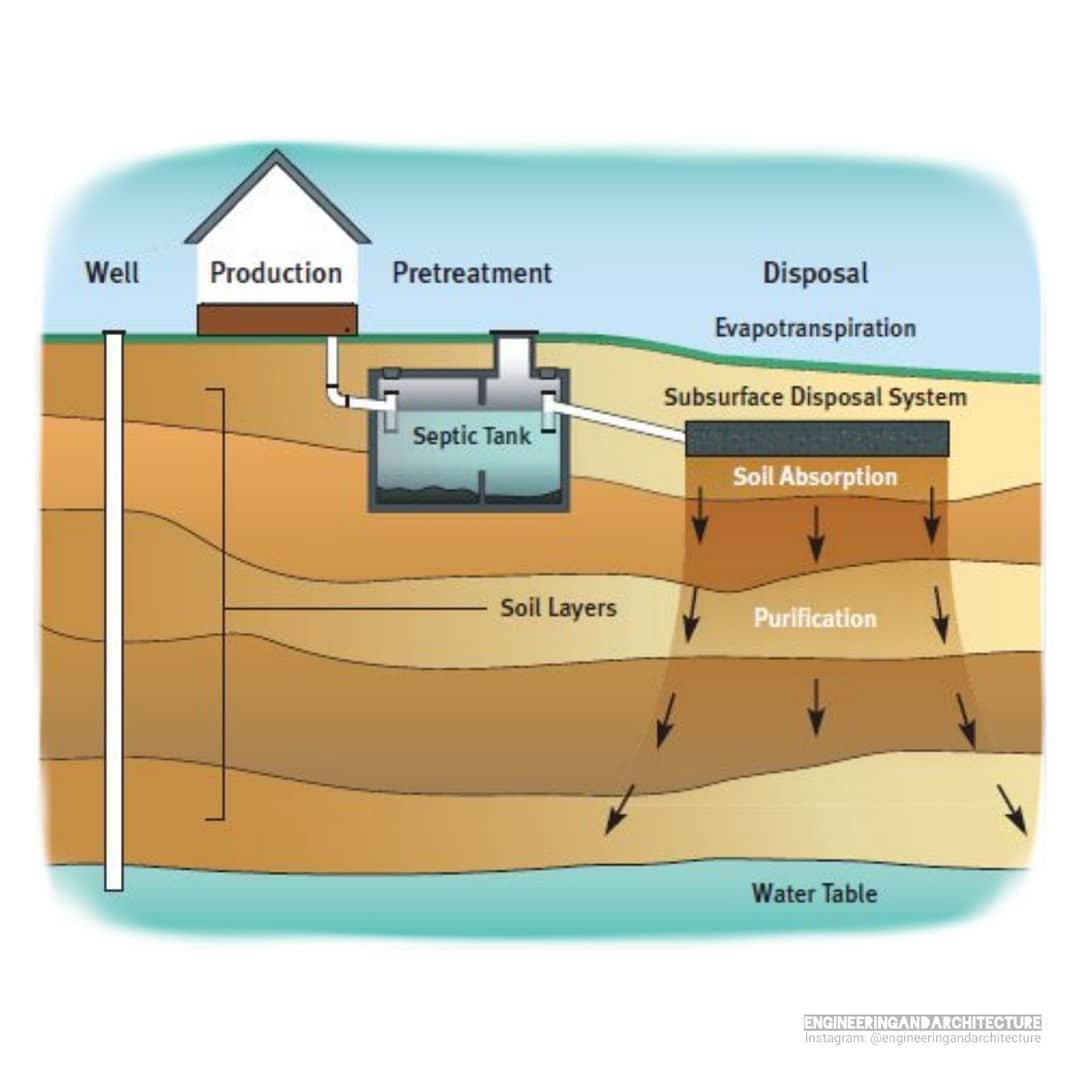
Let's talk about the basics. Your septic tank is like a little mini-city for bacteria. These little guys work tirelessly to break down the waste you send their way. It’s kind of a symbiotic relationship; they eat the waste, and in return, they help keep your septic system running smoothly. The problem is that sometimes, these bacteria need a little help to stay happy and efficient.
That’s where DIY septic tank cleaning comes in. We’re not talking about physically cleaning out your tank â€" that’s a job for the professionals. We’re talking about giving your system a little boost to help those bacteria do their thing. Here's how we do it:
DIY Septic Tank Cleaning Methods
1. The Power of Natural Enzymes
Think of enzymes as the superheroes of your septic system. They help break down waste faster, making it easier for the bacteria to do their job. There are tons of natural enzyme products on the market, and they’re super easy to use.
Just follow the instructions on the package. Most of these products are safe for your system and the environment. You can even make your own enzyme solution by mixing baking soda, vinegar, and water. It’s a bit more work, but it’s still a natural and effective way to keep your septic tank happy.
2. The Septic Tank's Best Friend: Aeration
Aerating your septic tank is like giving those hardworking bacteria a nice breath of fresh air. It helps introduce oxygen into the tank, which boosts the growth of beneficial bacteria. You can aerate your tank in a couple of ways:
- Use an Aeration System: You can install a small aeration system in your tank. These systems use a pump to introduce air into the tank, which can improve the efficiency of your system and reduce odors. It's a bit of an investment, but if you're serious about maintaining your tank, it might be worth it.
- The "Natural" Method: If you’re a bit less “techy†(we get it, we're not all DIY wizards!), you can try the natural method. Simply add a few cups of epsom salts to your septic tank every few months. Epsom salts are a natural source of magnesium sulfate, which helps to promote aeration. It’s like giving your tank a little refreshing spa day!
3. Grease is a No-No (and Other Tips)
Okay, so we're not technically cleaning the tank, but these tips are super important to keeping it healthy. You already know about the grease â€" it's the villain of the septic tank world. Grease can clog your drain field, and nobody wants that. So be sure to wipe those pots and pans clean! Here are some other things to keep in mind:
- Flush Wisely: Use your toilet wisely, only flushing what’s intended for the sewer system. Those flushable wipes? Not so flushable after all. They can cause havoc in your septic tank.
- Don't Overdo It: Avoid overloading your septic tank. It's like trying to cram too much luggage into one suitcase. You'll end up with a mess!
- Keep the Grass Short: A healthy lawn is a happy septic tank. Keep the grass around your drain field trimmed short so it can get enough sunlight and air.
Commonly Asked Questions
1. How Often Should I Clean My Septic Tank?
The general rule of thumb is to have your septic tank pumped every 3-5 years. However, the frequency really depends on several factors, like the size of your tank, the number of people in your household, and how much water you use. Keep an eye out for signs of a clogged system, like slow drains or foul odors. If you notice any of these, it’s time to call a professional.
2. How Do I Know If My Septic Tank Needs to Be Pumped?
Here are some signs to look out for:
- Slow Drains: Water draining slowly in your sinks, showers, or toilets? This could be a sign of a clogged drain field.
- Gurgling Sounds: If you hear gurgling noises in your pipes, it could mean that your septic tank is full and the waste is backing up.
- Foul Odors: A strong, unpleasant odor coming from your drains or around your septic tank is a sure sign that something is wrong.
- Pooling Water: Do you see any pooling water around your septic tank or drain field? This could indicate a blockage or a leak.
- Bubbling in the Toilet Bowl: If you see bubbles forming in your toilet bowl, it could mean that gases from your septic tank are escaping.
3. How Can I Prevent My Septic Tank from Clogging?
We’ve already talked about a few things you can do, but here's a recap of some key things to avoid:
- Don’t Flush Anything But Toilet Paper: That means no wipes, even the “flushable†ones, no paper towels, and definitely no feminine hygiene products. These things can create a real mess in your tank.
- Avoid Pouring Grease Down the Drain: Wipe your pots and pans clean before washing them. Grease solidifies in your pipes and can lead to clogs.
- Avoid Using Chemical Cleaners: These cleaners can kill the beneficial bacteria in your septic tank.
- Don’t Overload Your System: If you have a large family or often have guests, you might need to have your tank pumped more frequently.
- Get Regular Inspections: A septic professional can inspect your system and make sure everything is running smoothly.
So, there you have it! DIY septic tank cleaning can help you save money and keep your system in top shape. Remember, a well-maintained septic system is a happy septic system. And a happy septic system is a happy you! Just be sure to call a professional if you notice any major issues, because they're the real heroes when it comes to handling those septic emergencies!
0 comments:
Post a Comment
Note: Only a member of this blog may post a comment.